
You’ve seen the ads, or a friend swears a glucose sensor changed how they eat. If you’re dealing with stubborn weight gain, afternoon energy crashes, or brain fog, and your bloodwork keeps coming back “normal,” it’s fair to wonder whether a continuous glucose monitor (CGM) could show you what’s going on.
This guide comes from Julie McDonald, PA-C, co-owner of Monarch Functional Medicine, who has spent more than two decades helping patients make sense of symptoms that don’t fit neatly into a lab range.
The Short Answer: It Depends on Your Health Question
For most healthy adults without diabetes, a CGM is optional and has not been shown to improve health on its own. It may offer useful short-term feedback for some people, particularly as part of a structured plan for prediabetes or lifestyle change. A sensor reading cannot diagnose diabetes, insulin resistance, or the cause of symptoms.
A 2026 systematic review and meta-analysis found different results in people with prediabetes and healthy people with normal glucose levels. It reported possible benefits for some glucose measures and behavior, but no significant change in body mass index; people with normal glucose did not show appreciable glycemic benefit.
If you use a CGM, decide what question you want it to help explore and review the pattern in context. Don’t treat a single spike or dip as a diagnosis or a reason to make major diet changes.
I think an important takeaway from CGM use in non-diabetics is that it can reveal to diabetics what “normal” looks like. There can be too much …Read on Reddit ↗
What a CGM Actually Tells You (and What It Doesn’t)
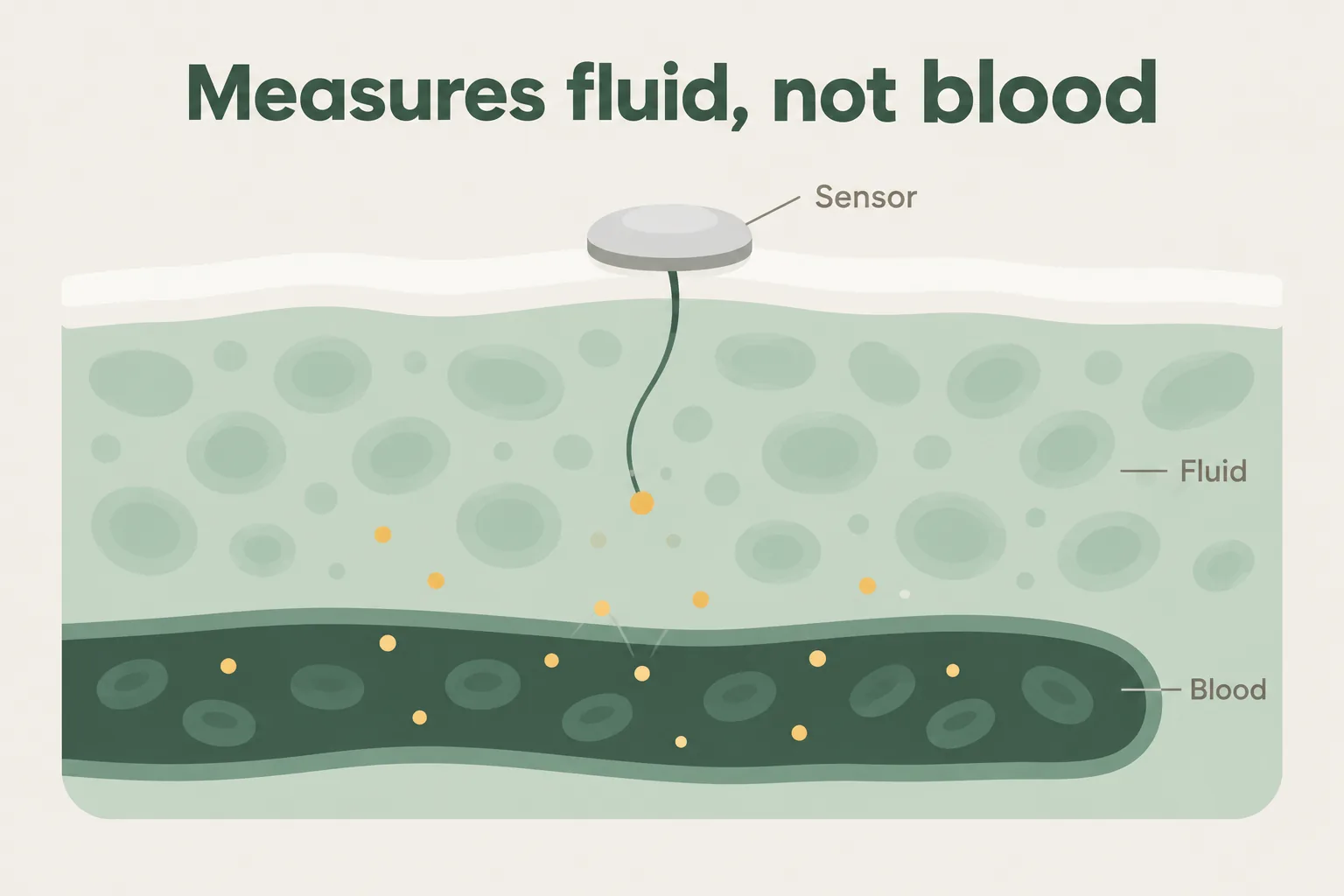
A CGM is a small sensor, usually worn on the back of the upper arm, with a thin, flexible filament that sits just under the skin. It checks the sugar in the fluid around your cells every few minutes and sends readings to your phone.
What it can show you:
- How your body responds to specific meals, snacks, and drinks
- How a bad night’s sleep, a stressful day, or a hard workout shifts your numbers
- How quickly your glucose comes back down after eating
What it can’t do:
- Diagnose diabetes or prediabetes. A clinician uses standard tests and your health history to assess those conditions.
- Measure insulin or diagnose insulin resistance.
- Give a perfect real-time blood glucose number. CGMs measure glucose in fluid under the skin, which can lag behind blood glucose. Readings and intended use also vary by device.
What Research Says About CGMs for People Without Diabetes
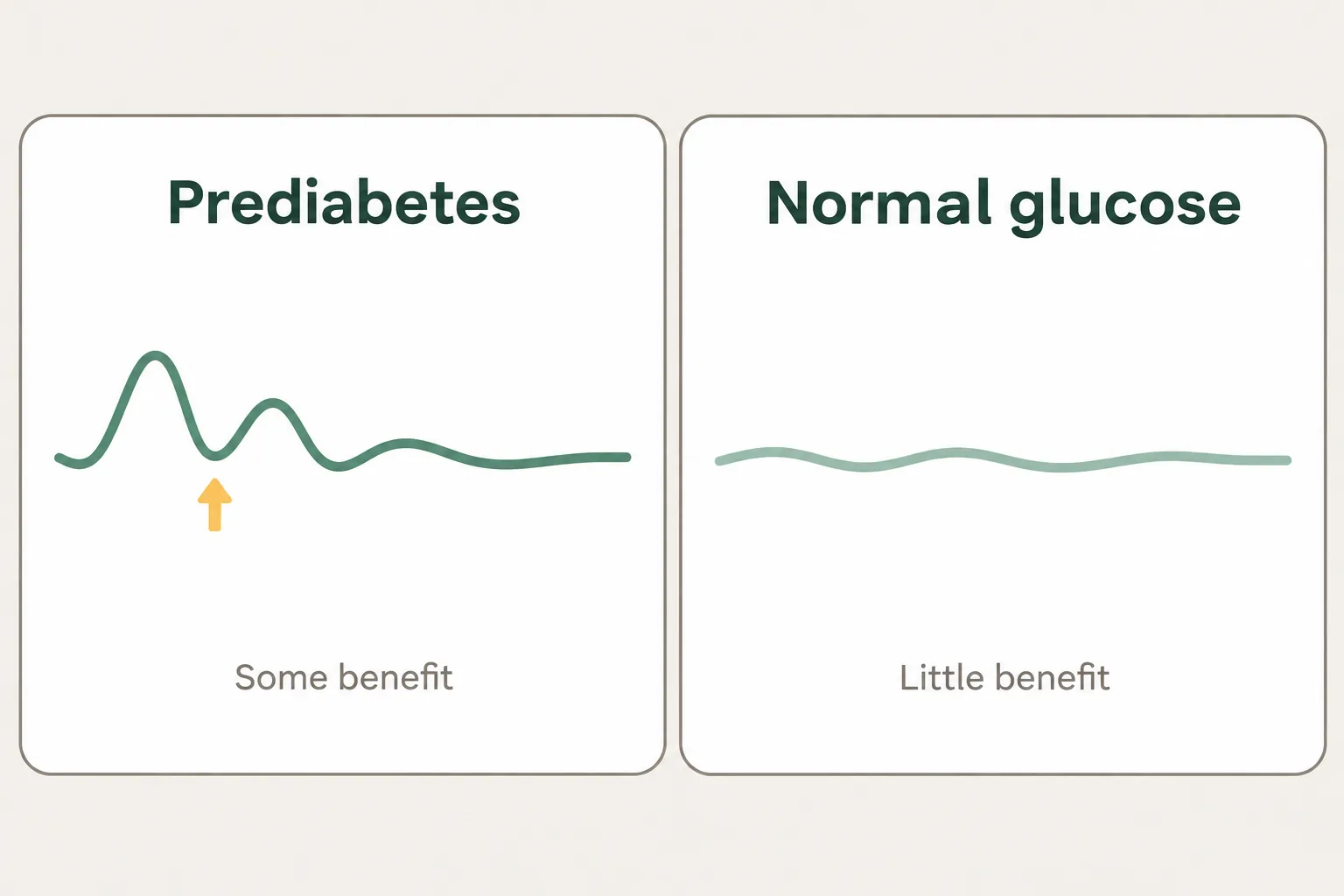
Evidence is still developing. A 2026 systematic review of studies in people without diabetes found possible improvements in some glucose measures and lifestyle behaviors, with different results for participants with prediabetes and those with normal glucose levels. The review did not find a significant effect on BMI. That means CGM can be a feedback tool for some people, but it is not a proven stand-alone way to prevent diabetes, lose weight, or improve health for everyone.
Real Benefits of Continuous Glucose Monitoring for Non-Diabetics
Used thoughtfully, a CGM has a few genuine upsides:
- Personal feedback. A CGM may help you observe how your glucose changes after different meals. It does not establish that one food is unhealthy for you or that a particular reading caused a symptom.
- A prompt to reflect. Seeing a pattern may encourage you to discuss a meal, activity, or sleep routine with a clinician.
- Questions for your care team. Repeated patterns can be worth reviewing alongside symptoms, medical history, and standard tests.
To see how we use this tool with patients, our page on continuous glucose monitoring at Monarch explains who tends to benefit and how we interpret results.
Who Might Consider a CGM
A CGM tends to help most if you are:
- Working on insulin resistance or weight that won’t budge despite real effort
- In perimenopause or menopause, when shifting estrogen and low progesterone can change how your body handles the same foods
- Dealing with fatigue, energy crashes, or brain fog that standard workups haven’t explained
- A man noticing lower energy, weight gain, or declining performance alongside metabolic concerns
The common thread is a clear question, not just curiosity.
The common thread is a clear question, not just curiosity.
The Downsides Nobody Mentions in the Ads
CGMs have real drawbacks, especially if you don’t have diabetes.
Normal rises can be misread. A temporary increase after eating doesn’t, by itself, mean something is wrong. The 2026 research review found that interpretation and results vary by population, and no universally accepted clinical target exists for hour-by-hour readings in people without diabetes. Read readings in the context of the device’s intended use and your health history.
Food fear and anxiety. Watching every wiggle on a graph can push people to cut healthy foods like fruit or beans, or feel guilty about normal meals. For anyone with a history of disordered eating, this is a serious concern.
No clear “healthy” target. The ranges built into many apps are designed for diabetes care. There is no agreed standard for interpreting every CGM pattern in people without diabetes, so avoid trying to correct normal variation.
Cost adds up. Coverage depends on the device, medical circumstances, and insurance plan. People buying an OTC wellness sensor should expect to check the current out-of-pocket price.
Practical hassles. Adhesive can irritate skin, sensors sometimes peel off early, and the occasional reading is clearly off.
Over-the-Counter CGM Options and What They Cost
Some CGMs can be bought without a prescription, but each product has its own age, medication, and safety limits. The FDA cleared Dexcom’s Stelo for adults 18 and older who do not use insulin; it is not intended for people with problematic hypoglycemia. Read the current label before choosing a device.
Cheapest vs. best: Buying sensors directly from the manufacturer is generally the most affordable route. Subscription programs bundle sensors with app coaching or nutrition guidance, which can help but usually cost more. Many consumer options run $100 or more a month depending on product and plan. Prices change often, so compare current pricing before you buy.
About “free CGM” offers: These are usually short trials tied to a paid subscription. Read the cancellation terms.
Is Accuracy Good Enough for People Without Diabetes?
CGMs can show trends, but a reading is not a laboratory blood test. Device accuracy, reporting intervals, and intended uses vary. Look at repeated patterns rather than reacting to one unexpected number, and follow the device instructions. If a reading conflicts with how you feel, ask a clinician what to do.
Why Glucose Alone Can Miss the Bigger Picture
This is where many people get stuck. Your glucose is controlled by insulin, the hormone that moves sugar out of your blood and into your cells. In early insulin resistance, your body compensates by making more and more insulin to keep glucose looking normal.
So fasting glucose can look fine for years while insulin quietly climbs. A CGM measures sugar, not insulin, so it can miss this stage entirely. Our guide to insulin resistance testing that looks years ahead of a diabetes diagnosis explains why standard annual bloodwork so often overlooks this pattern.
Glucose data means far more when paired with labs such as fasting insulin, A1c (a three-month average of blood sugar), triglycerides, and, when relevant, markers of inflammation. Learn more about how functional medicine approaches insulin resistance beyond blood sugar alone.
Beyond the Graph: Connecting Glucose to Hormones, Sleep, and Stress
Your glucose graph is shaped by much more than food:
- Sleep. A short or restless night can affect glucose readings the next day.
- Stress. Stress can influence glucose, but a graph cannot establish that stress caused a particular reading.
- Midlife hormone shifts. Hormone changes may be part of a person’s wider health picture, but a CGM does not measure estrogen or progesterone.
- Thyroid and gut health. These may be relevant to a broader health assessment, but a CGM cannot evaluate thyroid or digestive conditions.
Symptoms such as fatigue and brain fog can have many possible explanations. Glucose data is only one piece of information and should be interpreted alongside a person’s overall health.
CGM vs. Standard Blood Tests
A CGM shows glucose patterns during everyday activities; it does not diagnose prediabetes or diabetes. If you have concerns about blood sugar, ask a clinician whether standard laboratory testing is appropriate. The clinician can interpret the results in context rather than relying on a sensor graph alone.
How to Make a CGM Worth It If You Try One
If you decide to try one, set it up to answer something:
- Choose a clear question and a limited period. There is no established ideal wear period for healthy users, so follow the device directions and any clinician guidance.
- Keep a simple log. Note meals, sleep, stress, and exercise so you can compare them with readings.
- Look for repeated patterns. Don’t treat one peak or a quick return to baseline as a measure of health.
- Review it with a clinician. Someone who can pair the data with your labs and symptoms can help you interpret it.
- Stop if it’s making you anxious. If tracking leads to food fear or obsessive checking, it’s no longer helping.
Frequently asked questions
Are CGMs worth it for non-diabetics?
What are the downsides of using a CGM device?
What is the most affordable CGM for a non-diabetic?
Can a CGM diagnose prediabetes?
Can a CGM detect insulin resistance?
Can normal glucose readings explain fatigue or brain fog?
Ready for Answers, Not Just Data?
A CGM can show glucose patterns, but it cannot explain why they occur or identify the cause of symptoms.
If you’re tired, gaining weight, sleeping poorly, or fighting brain fog and keep hearing that your labs are normal, Monarch Functional Medicine can assess hormones, thyroid, metabolism, sleep, stress, and gut health as part of a personalized evaluation.
For patients in Michigan, the 12 Week Reset is Monarch’s starting point. You can also book a 15-minute strategy session to discuss whether the program is a fit. Care is personalized, and results vary from person to person.