Short answer: low progesterone in women may relate to ovulation, life stage, medication or contraception changes, or another health factor. Functional medicine brings together cycle patterns, symptoms, ovulation timing, relevant labs, and medical history. Symptoms alone cannot confirm low progesterone, and treatment depends on the cause.
When Your Labs Are “Normal” but Your Cycle, Sleep, and Mood Say Otherwise
Your cycle used to arrive on day 29. Now it shows up at day 24. You spot for two days before real bleeding starts. You fall asleep fine, then you are wide awake at 3 a.m. with your heart pounding. The week before your period, small things feel enormous. You bring it up and hear that everything looks fine.
I’m Julie McDonald, MMS, PA-C, FMACP, founder and lead provider of Monarch Functional Medicine. My background includes more than two decades in emergency, family, and internal medicine. I often see that low progesterone may be one part of a larger picture. Finding contributing factors requires an individual evaluation.
This is education, not a diagnosis. Your body needs an individual evaluation, not an internet answer.
What Progesterone Actually Does
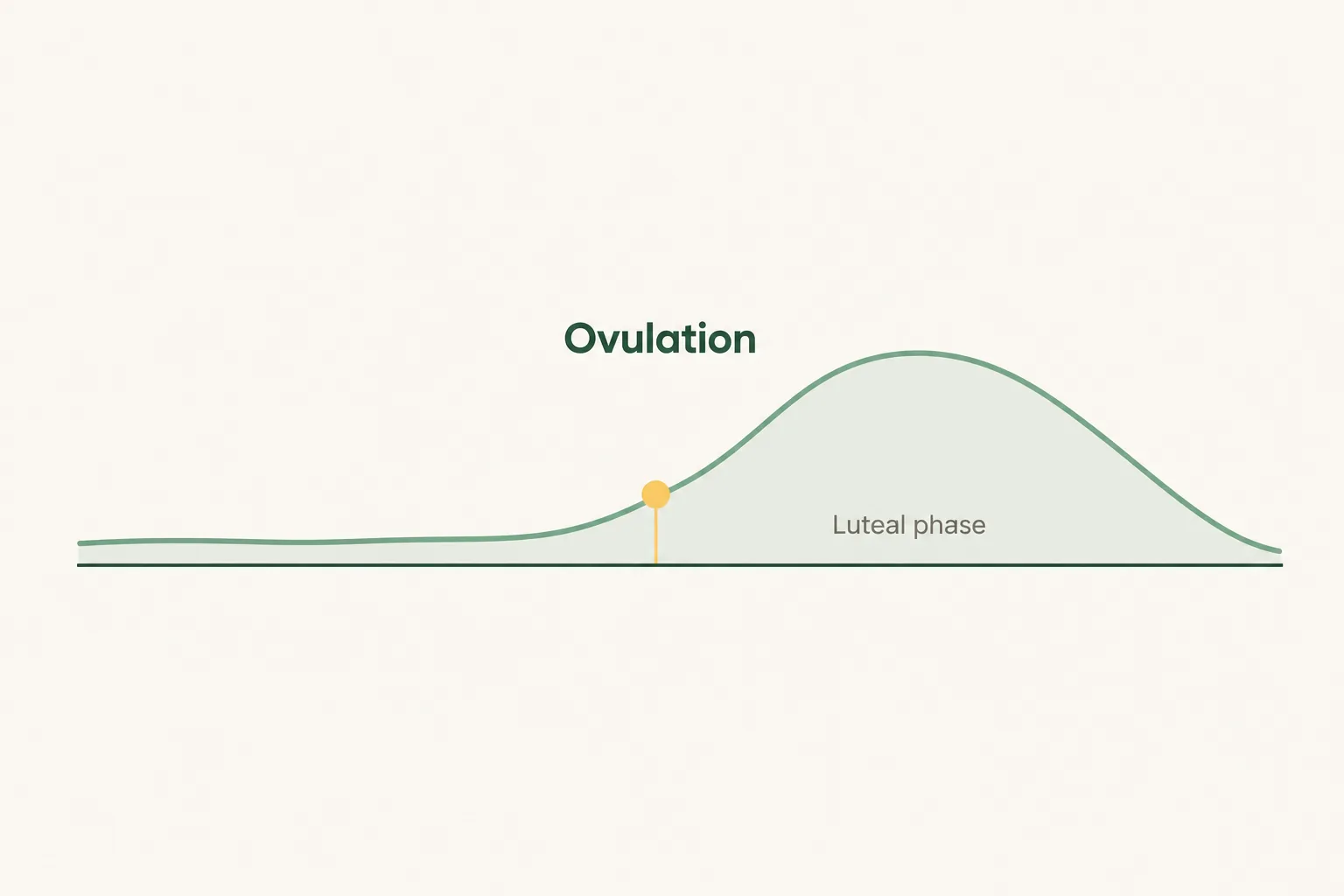
Progesterone is made mostly in the second half of your cycle by the temporary gland that forms after an egg is released. Because progesterone rises after ovulation, a luteal-phase result can help show whether ovulation occurred. A single value, however, does not by itself establish luteal-phase adequacy or fertility.
Progesterone helps prepare the uterine lining after ovulation, but heavy or irregular bleeding can have many causes. Some women notice sleep or mood changes around the luteal phase, yet those symptoms do not confirm low progesterone.
Low Progesterone Symptoms: What It Feels Like
Possible cycle-related patterns include irregular or shorter cycles, spotting before bleeding, or changes in flow. A short interval between ovulation and the next period can be worth discussing, but these patterns are not specific to low progesterone.
Other reported symptoms include anxiety, irritability, tearfulness, sleep disruption, breast tenderness, fluid retention, and cycle-timed headaches or migraines. These symptoms overlap with PMS, perimenopause, thyroid disorders, medication effects, and other conditions.
Difficulty conceiving or early pregnancy loss should be evaluated in context; low progesterone should not be assumed to be the cause. If the mood piece is loudest for you, we go deeper into why low progesterone can drive anxiety and mood swings. If you are in your late 30s or 40s, you can also read about functional-medicine support during perimenopause, because cycle and symptom changes can begin before periods stop.
What Causes Low Progesterone?
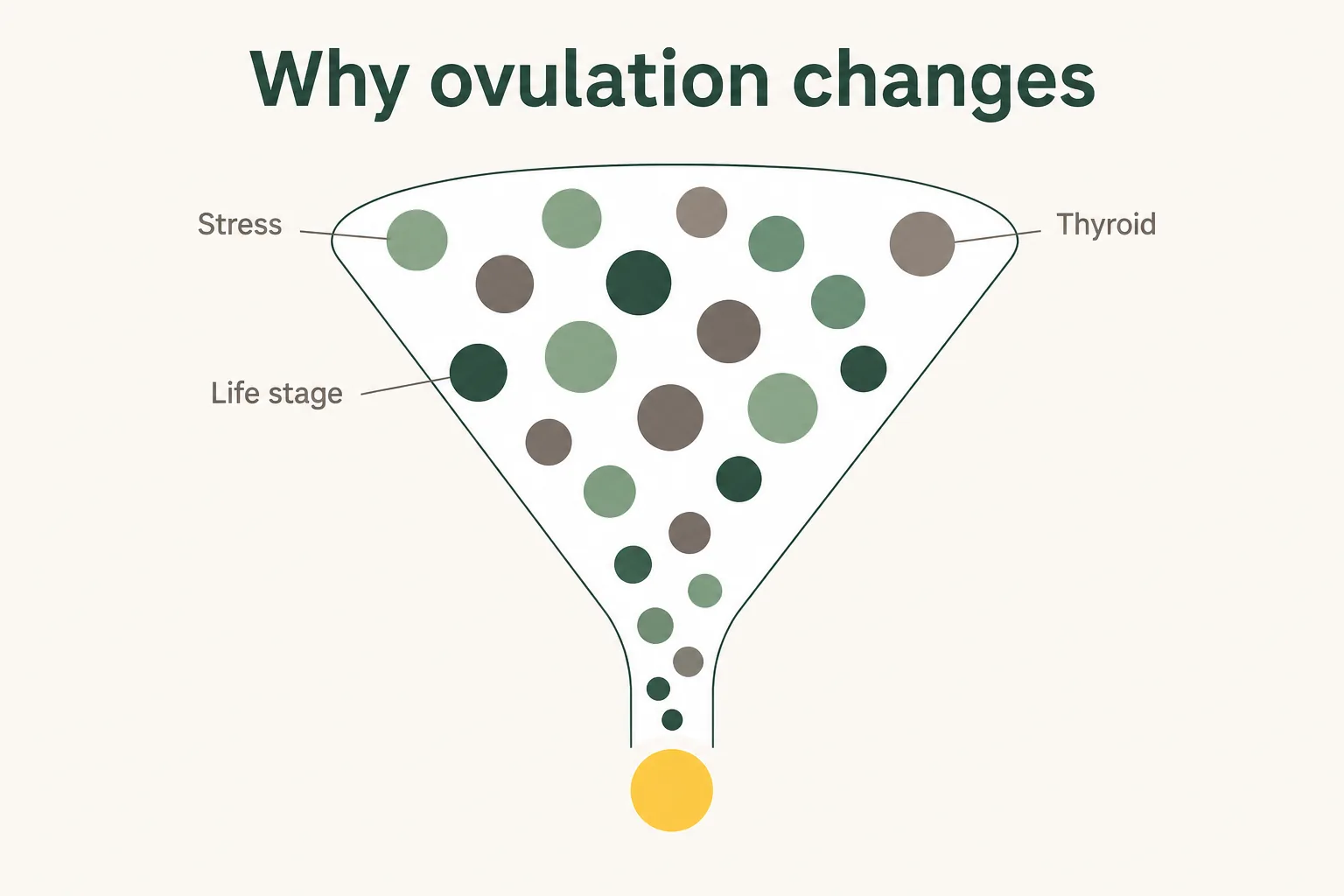
Low progesterone is a finding, not a complete diagnosis. The next question is why ovulation or progesterone production may be changing. Possible contributors can overlap, including stress, low energy availability, thyroid or metabolic factors, medications, and life stage.
Chronic Stress, Under-Fueling, and Ovulation
Sustained stress, low energy availability, illness, or excessive exercise may alter reproductive hormone signaling and interfere with ovulation. The Endocrine Society describes functional hypothalamic amenorrhea as a diagnosis of exclusion, so absent or irregular periods should be evaluated rather than attributed to stress alone.
Potential contributors can include shift work, caregiving demands, under-eating while over-exercising, prolonged sleep disruption, illness, or recovery from injury.
Cycles Without Ovulation
Without ovulation, the corpus luteum does not form, and progesterone production from that source is low during that cycle. Bleeding can still occur in a cycle without ovulation.
Potential contributors include PCOS, perimenopause, thyroid disorders, low energy availability, substantial stress, and medication or contraception changes. If ovulation is absent or inconsistent, lifestyle changes or supplements may not address the underlying cause.
Related readingEstrogen Dominance Treatment | Functional Medicine | Monarch FMRead the guide →The practical target is the cause of ovulatory disruption, not a progesterone number alone.
Our approach to treating low progesterone starts from that distinction.
Thyroid Function
Thyroid disorders can affect menstrual patterns and ovulation, and symptoms such as fatigue, brain fog, feeling cold, or heavy periods overlap with low-progesterone concerns. Whether additional thyroid testing is appropriate depends on your history and the initial result.
Blood Sugar and Insulin Resistance
Insulin resistance and metabolic conditions can affect ovulation for some women, particularly in the context of PCOS. Symptoms such as fatigue or cravings are nonspecific, so evaluation should combine history with appropriate testing. A balanced eating pattern may support overall health, but no single meal plan treats every cause of low progesterone.
Nutrient Gaps, Gut Health, and Everyday Chemical Exposure
Adequate energy and key nutrients support general health, but supplements do not automatically raise progesterone. Gut and environmental factors may be relevant to some people, yet the evidence and clinical importance vary. Avoid presenting detoxification or chemical avoidance as a guaranteed treatment. These same concerns can overlap with the hormonal and nutritional picture behind PMS and PMDD.
Perimenopause: A Different Kind of Low
During perimenopause, ovulation can become less predictable and progesterone production may fluctuate or decline relative to earlier reproductive years. Symptoms such as sleep disruption, mood changes, and heavier or irregular bleeding can occur, but they have multiple possible causes.
A person in their 30s with possible ovulatory disruption and a person in their 40s in the menopause transition may need different evaluation and treatment. Similar symptoms do not guarantee the same cause.
What Functional Medicine Adds to Low Progesterone Evaluation
Functional medicine should complement standard medical evaluation, not replace it. A thorough visit may bring together:
- Cycle length, bleeding patterns, ovulation signs, and symptom timing.
- Pregnancy possibility, fertility goals, current medications, and hormonal contraception.
- Relevant medical history, nutrition, sleep, stress, exercise, and energy availability.
- Laboratory results selected to answer a clinical question rather than an automatic list of tests.
- A follow-up plan that explains what will be monitored and when treatment should be reassessed.
Monarch describes a personalized approach to hormonal and metabolic concerns. Read more about Monarch’s team and approach before deciding whether the practice fits your needs.
How Low Progesterone Is Tested in Women, and What One Result Can’t Tell You
Progesterone normally rises after ovulation and often reaches a luteal peak about 6–8 days afterward. Testing is generally interpreted in relation to ovulation, not simply a fixed calendar day. The American Society for Reproductive Medicine notes that progesterone is pulsatile and that no single minimum serum concentration defines a normal or fertile luteal phase; one result can support evidence of recent ovulation but cannot fully assess luteal function or fertility.
Some clinicians use urine or saliva hormone testing in selected situations, but results and limitations vary by test. Ask what question each test is meant to answer and how it would change care before ordering it.
Depending on your history, a clinician may consider tests related to thyroid function, glucose metabolism, iron status, prolactin, pregnancy, or other conditions. The right panel is individualized rather than automatic.
Cycle tracking, basal body temperature, or ovulation tests may add context, but none replaces clinical evaluation. Monarch’s advanced lab testing services may be discussed when testing is clinically appropriate.
The interpretation also changes if your cycles are irregular, you use an IUD or hormonal contraception, you may be pregnant, or you are no longer cycling. The goal is to read any result alongside symptoms, cycle history, and relevant medical context.
Low Progesterone by Life Stage and Context
| Life stage or context | What to know |
|---|---|
| Regularly cycling | Testing is usually timed in relation to ovulation and interpreted with symptoms and cycle history. |
| Perimenopause | Ovulation and bleeding may become more variable, so similar symptoms can have different causes. |
| Hormonal contraception or an IUD | These can alter bleeding patterns and affect how hormone results are interpreted; tell the clinician what you use. |
| Trying to conceive | Fertility goals change the evaluation and treatment discussion, so coordinate care with an OB-GYN or fertility specialist when appropriate. |
| Pregnancy or after menopause | Cycle-based progesterone questions use a different clinical framework. Bleeding during a possible pregnancy or after menopause needs medical assessment. |
Lifestyle Support for Ovulation and Hormone Health
Lifestyle measures may support overall health and ovulation, but they cannot guarantee a rise in progesterone or replace evaluation of irregular cycles.
- Eat enough. Adequate energy and protein support overall health; if under-fueling is present, correcting it may support ovulation.
- Steady your blood sugar. A balanced meal pattern can support energy and metabolic health, but no single breakfast or eating schedule treats every cause.
- Protect sleep and morning light. Consistent sleep and a regular light–dark routine support overall circadian health.
- Right-size training. Choose activity that matches your recovery, nutrition, and current health rather than pushing through persistent exhaustion.
- Fill real gaps. Use supplements for an identified need and review doses with a clinician; evidence that supplements directly raise progesterone is limited and mixed.
- Herbs like vitex (chasteberry) have limited evidence for some uses and may be unsafe or inappropriate during pregnancy, breastfeeding, with hormone-sensitive conditions, or alongside some medicines. Review it with a clinician.
- Lower your chemical load. If environmental exposures are a concern, reduce them reasonably, but do not treat exposure reduction as a stand-alone progesterone therapy.
Supplements should not delay evaluation of persistent irregular cycles, heavy bleeding, infertility, or other concerning symptoms.
Prescription Progesterone, Progestins, and Bioidentical Products
“Bioidentical” describes molecular structure, not proof that a product is safer or more effective. The FDA says compounded bioidentical hormones are not safer or more effective than FDA-approved hormone therapy.
Prescription micronized progesterone and other progestogens may be used for specific indications. The choice and route depend on reproductive status, symptoms, medical history, and treatment goals.
Micronized progesterone is a progesterone product; progestins are synthetic compounds that act on progesterone receptors. They are not interchangeable in every situation, so the product, route, dose, and indication matter.
The route and formulation affect absorption and safety; do not assume a topical product provides the same exposure or uterine protection as an oral or other prescribed option.
Prescription support may be considered for specific symptoms or reproductive goals, including some cases of perimenopausal symptoms, abnormal bleeding, or fertility care. The plan should account for whether pregnancy is possible and whether uterine-lining protection is needed.
When systemic estrogen is prescribed for a person with a uterus, a clinician may include a progestogen to protect the uterine lining; the regimen depends on the therapy and individual history.
Claims that progesterone will treat histamine or mast-cell symptoms need particular caution because evidence and individual responses vary.
Hormone treatment can address a specific clinical need while other contributors are evaluated; no outcome is guaranteed. Monarch also outlines its hormone-treatment services, but eligibility and treatment decisions require individual clinical review.
How Long Does It Take to Increase Progesterone?
People search for how to increase progesterone quickly. The honest answer: your body makes progesterone once per cycle, so meaningful change is measured in cycles, not days.
Sleep and nervous system symptoms often shift within a few weeks of steadying food, stress, and sleep. Changes in ovulation and the second half of your cycle are usually reassessed after two to three cycles, with repeat labs timed properly. Prescription progesterone can change symptoms faster, which is why it is sometimes used alongside root-cause work rather than instead of it.
Trying to Conceive: What Changes
If you are trying to conceive, a short luteal phase or irregular cycle is a reason to investigate, not a diagnosis.
Depending on the situation, a fertility evaluation may include ovulation assessment and blood tests such as progesterone or thyroid testing. The ACOG infertility evaluation guidance explains why the workup is tailored to the individual.
Progesterone support during the second half of the cycle has a place, but it belongs in a supervised plan and is coordinated with your OB-GYN or fertility specialist when appropriate. Please do not order creams online and guess at a dose during a conception attempt.
Where to Start
Monarch Functional Medicine describes a personalized, root-cause-oriented approach to hormonal and metabolic concerns. The practice offers in-person care in Marquette and virtual care for patients in Michigan.
The 12-Week Energy, Hormone & Metabolism Reset is presented as a foundational program, but whether it is appropriate depends on your history, goals, and clinical needs. If you are in Michigan, book a free 15-minute strategy call to discuss your symptoms and whether Monarch’s approach is a fit.
When to Seek Medical Care
Seek prompt medical evaluation for bleeding after menopause, bleeding between periods, persistent irregular or very heavy bleeding, severe pelvic pain, or bleeding or pain during a possible pregnancy. ACOG advises evaluation for heavy bleeding, including bleeding that lasts more than seven days or soaks through a pad or tampon every hour for several hours. If you have thoughts of self-harm, seek immediate emergency or crisis support.