From the clinical perspective of Julie McDonald, PA-C, co-owner of Monarch Functional Medicine
What Histamine Intolerance Treatment May Include
Maybe it started with a glass of wine that left your face flushed and your head pounding. Then came the stuffy nose that never cleared, hives out of nowhere, bloating after dinner, and nights spent wired but exhausted. These symptoms can have many causes. Some people wonder whether histamine is involved, but symptoms alone cannot confirm histamine intolerance.
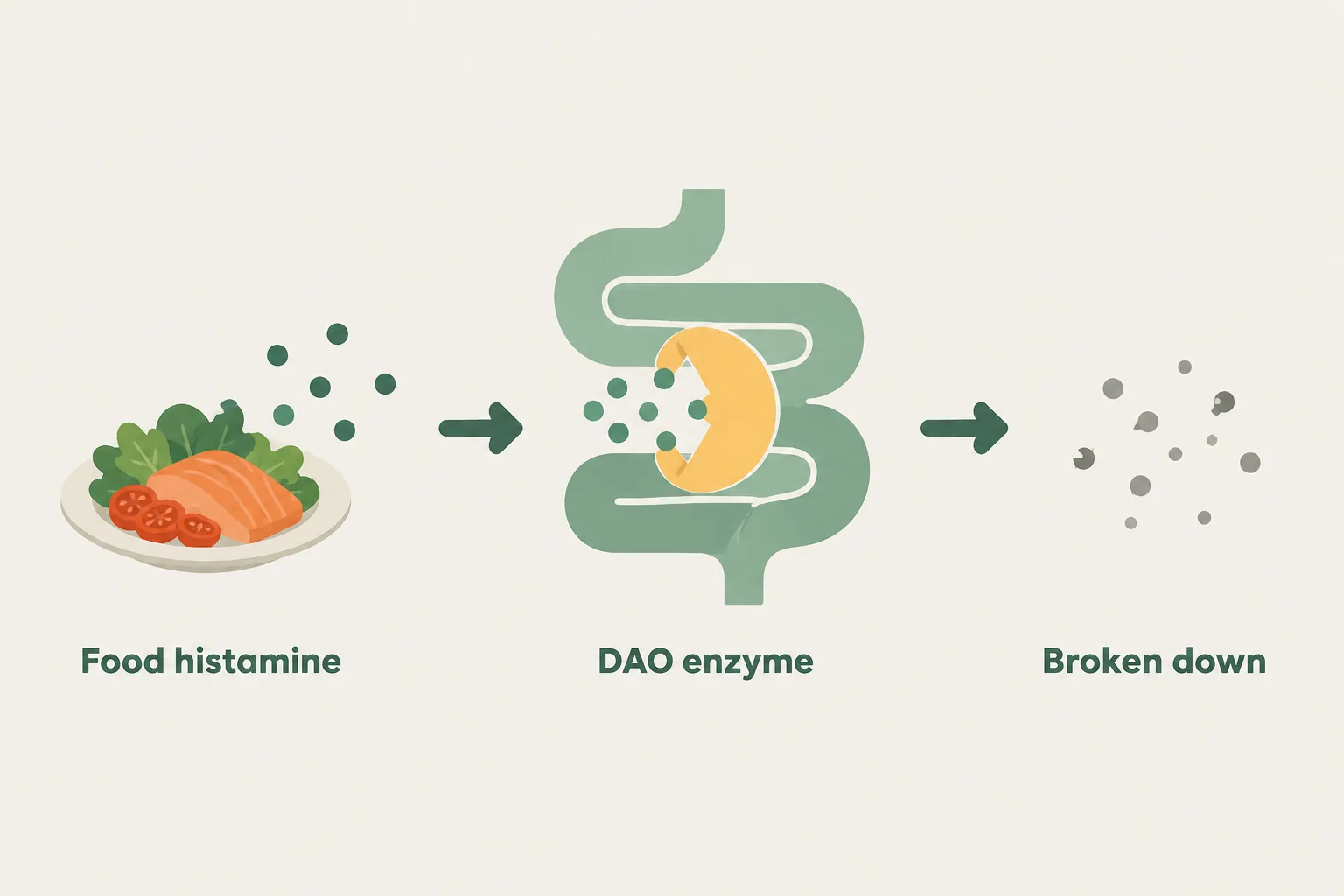
Histamine is a natural chemical messenger involved in immune responses, digestion, and brain signaling. It is also present in some foods. Diamine oxidase (DAO), an enzyme found in the small intestine, helps break down histamine from food. However, the proposed condition called histamine intolerance remains difficult to define and diagnose.
A low-histamine diet, symptom tracking, and medication review may be discussed with a clinician in some cases. There is no single validated test or one treatment plan that fits everyone. This guide explains possible steps while keeping the limits of current evidence in view.
What the Evidence and Diagnosis Can, and Cannot, Tell You
Symptoms attributed to histamine intolerance can overlap with food allergy, gastrointestinal disorders, medication effects, and other conditions. A professional guideline recommends a careful, individualized assessment rather than assuming that a food reaction is histamine intolerance or using a highly restrictive diet long term. Read the guideline on suspected reactions to ingested histamine.
A clinician may review the timing of symptoms, foods, medications, health history, and other possible explanations. A response to a short, supervised diet trial may provide useful information, but it does not by itself prove a diagnosis.
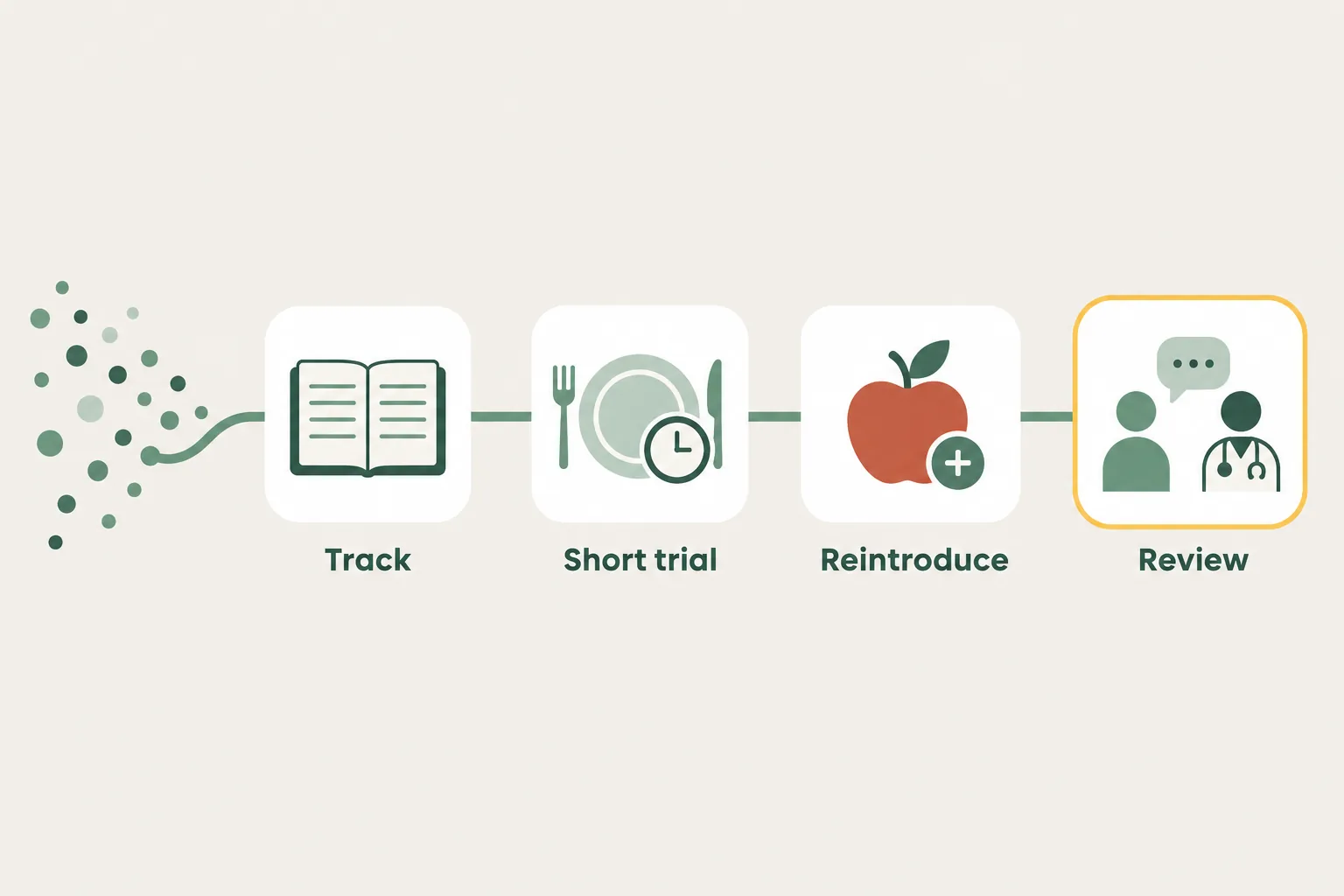
Step 1: Track Symptoms and Possible Triggers
Before cutting out many foods, record what you ate, when symptoms started, how long they lasted, and any other relevant factors, such as medication use, alcohol, exercise, or menstrual timing. Patterns can help guide a conversation with a clinician, but they do not establish the cause on their own.
- Choose fresh, simple meals when practical. Histamine levels can vary by food, storage, and preparation, so no single food list predicts everyone’s response.
- Pay attention to storage and leftovers. Histamine levels may change as some foods are stored or processed. If you suspect leftovers are a trigger, note the food and storage conditions in your journal rather than removing all leftovers automatically.
- Notice possible non-food patterns. Alcohol, exercise, heat, stress, and sleep changes may coincide with symptoms for some people. Track them as observations, not as universal triggers or rules.
If you are considering diet changes, Monarch’s nutrition services explain its broader nutrition support. Contact the practice to ask whether it fits your needs.
Step 2: Consider a Short, Guided Low-Histamine Diet Trial
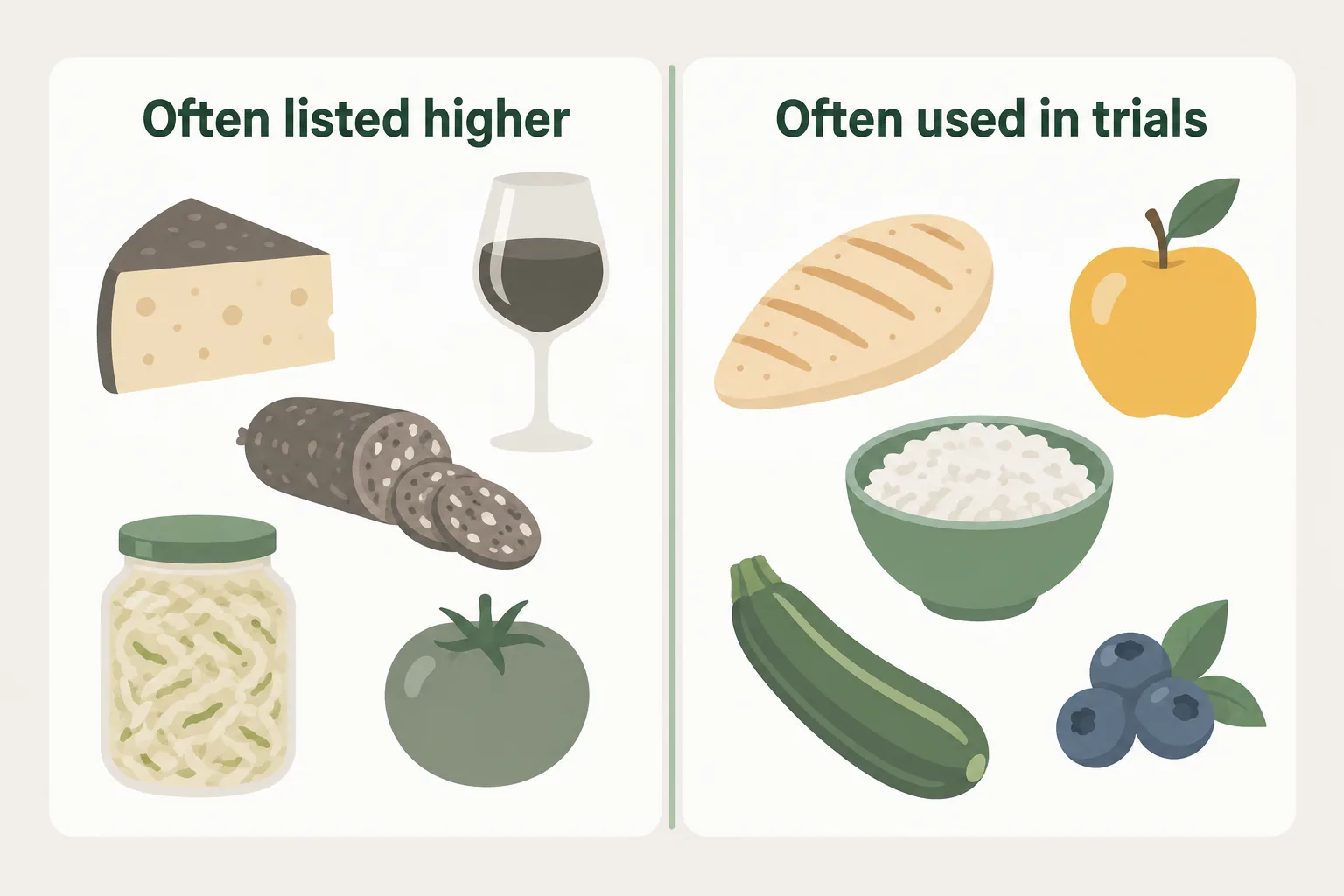
A clinician or dietitian may suggest a time-limited trial when the history supports it. The aim is to check for a pattern and then reintroduce foods, not to follow a strict diet indefinitely. No universally accepted low-histamine food list exists, and recommendations vary.
Foods Often Listed as Higher in Histamine
Lists commonly include aged or fermented foods, some cured meats, alcohol, and certain fish. Histamine levels vary with processing and storage, and individual tolerance differs. Treat the examples below as discussion points, not a universal avoid list:
Related readingIt’s Not Allergies: It’s Histamine Intolerance! – Monarch Functional MedicineRead the guide →| Category | Examples |
|---|---|
| Fermented and aged foods | aged cheeses, sauerkraut, kombucha, vinegar, soy sauce, and wine |
| Cured and processed meats | bacon, sausage, hot dogs, deli meat, and smoked or canned fish such as tuna and sardines |
| Certain produce | tomatoes, spinach, eggplant, avocado, citrus fruits, and bananas |
| Drinks | alcohol, energy drinks, and black or green tea |
Some lists also label foods as “histamine liberators,” meaning they are thought to trigger histamine release even when they contain little histamine. Evidence and lists differ, so avoid treating this category as established for every person.
Foods Some People Use During a Trial
Freshly prepared foods are often used as options during a low-histamine trial, but no food is guaranteed to be tolerated by everyone. Examples that appear on some lists include:
| Category | Examples |
|---|---|
| Fresh proteins | freshly cooked chicken, turkey, lamb, and fresh (not canned) fish |
| Produce | apples, pears, blueberries, broccoli, cauliflower, zucchini, and cucumber |
| Grains and alternatives | rice, quinoa, millet, oats, and coconut or almond milk |
Keep the diet nutritionally adequate and follow the plan developed with your clinician or dietitian. If you are already eating a very limited diet, ask for professional guidance before removing more foods.
How to Reintroduce Foods and Track Your Reactions
If your clinician recommends a diet trial, ask how and when to reintroduce foods. A practical journal can include:
- The food, amount, preparation, and time you ate it.
- The symptom, when it began, and how long it lasted.
- One reintroduced food at a time, following the schedule agreed with your clinician.
- Other relevant details, such as medication, alcohol, exercise, sleep, or menstrual timing.
The goal is to understand your own pattern and expand your diet when appropriate, not to create a permanent list of forbidden foods.
Step 3: Discuss DAO and Supplements With a Clinician
DAO supplements are marketed to support the breakdown of histamine from food, but the clinical evidence is limited. One open-label pilot study followed 28 people taking DAO before meals for four weeks. Because it had no control group, it cannot show that DAO alone caused the reported symptom changes.
Vitamin B6, vitamin C, and copper are discussed in relation to histamine metabolism, but that does not mean everyone with suspected histamine intolerance needs supplements. A clinician can review your diet, health history, medications, and any confirmed nutrient deficiency before recommending a product.
Supplement quality and doses vary, and some products may interact with medications. Do not start high-dose supplements or stop prescribed treatment without discussing it with a qualified healthcare professional. Monarch also offers broader supplement support; ask a clinician whether any supplement has a place in your care.
What Vitamin Deficiency Causes Histamine Intolerance?
No single vitamin deficiency is established as the cause of histamine intolerance. Low nutrient levels may matter to overall health, but taking extra vitamins or minerals has not been shown to diagnose or reliably treat this condition. Ask a clinician whether testing or supplementation is appropriate for you.
Can Antihistamines Help With Symptoms?
A clinician may recommend an antihistamine to help with particular symptoms, such as itching or hives. Antihistamines act on histamine receptors; they do not confirm histamine intolerance or identify why symptoms are occurring.
Ask a healthcare professional or pharmacist before starting, stopping, or combining medication. Do not stop a prescribed medicine because you suspect it affects histamine without first speaking with the prescriber.
Step 4: Review Other Possible Causes With a Clinician
If symptoms continue, a clinician can assess whether food allergy, a gastrointestinal condition, medication effects, or another health concern may be involved. Histamine-related explanations are only one possibility.
Gut Health and Histamine: What to Discuss
DAO in the small intestine helps break down histamine from food. Researchers have also studied whether some gut bacteria can produce histamine, but digestive symptoms or a diagnosis such as SIBO do not prove that histamine is causing someone’s symptoms. A 2024 review discusses these proposed mechanisms and the limits of available diagnostic evidence. Read the review of histamine intolerance symptoms and diagnosis.
If digestive symptoms are part of your concern, learn about Monarch’s broader gut-health services. Symptoms alone cannot show that a gut condition is causing a suspected histamine reaction.
Hormones: Estrogen, Low Progesterone, and Perimenopause
This is one of the most overlooked connections for women in midlife.
Estrogen can promote histamine release, while progesterone tends to play a calmer, balancing role. So when estrogen runs high relative to progesterone, or low progesterone becomes an issue during perimenopause, histamine symptoms may flare.
That may explain why many women notice:
- Headaches, flushing, or hives in the days before their period
- New food reactions that seem to appear out of nowhere in their 40s
- Worsening sleep and anxiety during perimenopause
When we evaluate someone with histamine symptoms, we look at hormone patterns alongside everything else, because treating one without the other often leaves people stuck.
Stress, Sleep, Medications, and Nutrient Gaps
- Stress: Chronic stress may make the immune cells that store histamine release it more easily.
- Sleep: Histamine is also a wakefulness signal in the brain. Too much may keep you up, and poor sleep can make you more reactive the next day. It becomes a loop.
- Medications and alcohol: Some may interfere with your histamine-clearing enzymes.
- Nutrient gaps: Low levels of key nutrients may reduce your capacity to clear histamine.
Histamine, Fatigue, and Brain Fog
Histamine overload does not always look like sneezing or hives. For many people, it shows up as tiredness that sleep does not fix, foggy thinking, a racing mind at night, or anxiety that feels physical.
If you have been searching for a functional medicine approach to fatigue or for help clearing brain fog in Michigan, histamine is worth considering. These symptoms also overlap heavily with thyroid problems, blood sugar swings, and hormone changes, which is exactly why a full evaluation matters. Unexplained fatigue and brain fog often have explainable causes. They just need someone willing to look.
How a Functional Medicine Plan for Histamine Intolerance Comes Together
At Monarch, we combine the diagnostic rigor of conventional medicine with a root-cause, personalized approach. For histamine concerns, that typically includes:
- A detailed history and symptom timeline. When did this start? What changed in your life, cycle, diet, or medications around that time?
- Targeted labs where appropriate. Depending on your story, this may include hormones, thyroid, nutrients, and gut health.
- A full review of nutrition, stress, sleep, and current medications and supplements.
There is no single perfect test for histamine intolerance. It is often identified by recognizing a pattern and seeing how you respond to targeted changes, so a thoughtful, step-by-step process matters more than any one lab.
From there, we build a plan that pairs short-term relief with work aimed at the underlying drivers, and we adjust it as your body responds.
You may have seen histamine intolerance treatment in online groups. Some of those are useful, but a protocol that worked for a stranger was built around their body, not yours. Your triggers, hormones, gut, and history are your own, and your plan should be too.
We serve patients throughout Michigan. Every plan is personalized, and results vary from person to person.
When to Seek Urgent Medical Care
Do not assume a severe reaction is histamine intolerance. Trouble breathing, swelling of the tongue or throat, fainting, or rapidly worsening symptoms after eating may be signs of a serious allergic reaction. Seek emergency care immediately. AAAAI explains anaphylaxis and the need for immediate treatment.
Frequently asked questions
How do I clear histamine from my body faster?
How long should I follow a low-histamine diet?
Is histamine intolerance permanent?
Is histamine intolerance the same as a food allergy?
Can low progesterone make histamine symptoms worse?
Is there a test for histamine intolerance?
Talk With Monarch About Your Health Concerns
Monarch’s 12-Week Reset is its foundational program for Michigan patients, with in-person care in Marquette and virtual care across Michigan. It offers broader personalized health support. If you want to ask whether it fits your situation, book a free strategy call.