Here’s What to Know
If you’ve ever felt like your body is playing a cruel game of ‘guess what’s wrong now,’ you’re not alone. One day, it’s a pounding headache; the next, your skin is breaking out in hives, or your stomach is in knots after a meal you’ve eaten a hundred times before. Maybe you’ve been told it’s stress, allergies, or even ‘just in your head.’ But what if there’s a deeper reason for these seemingly random symptoms? Histamine intolerance is often overlooked, yet it could be the missing link behind your body’s unexplained reactions. Let’s break it down and figure out what’s really going on
What is Histamine Intolerance?
Histamine intolerance is a condition in which the body is unable to properly break down and regulate histamine, a compound involved in immune responses, digestion, and neurological function. Unlike a food allergy, which involves an immune system reaction, histamine intolerance occurs when histamine accumulates in the body due to an imbalance between its production and degradation. The enzyme diamine oxidase (DAO) is responsible for breaking down histamine in the gut, and when DAO activity is insufficient, histamine builds up, leading to symptoms that mimic allergic reactions.
Symptoms of Histamine Intolerance
Histamine intolerance presents a wide range of symptoms, making it difficult to diagnose. Common symptoms include:
● Skin Reactions: Flushing, hives, itching, and eczema-like rashes
● Digestive Issues: Bloating, diarrhea, nausea, and acid reflux
● Neurological Symptoms: Headaches, migraines, dizziness, and anxiety
● Cardiovascular Effects: Palpitations, low blood pressure, and irregular heartbeat
● Respiratory Symptoms: Nasal congestion, sneezing, and difficulty breathing
● Hormonal and Menstrual Irregularities: Worsened PMS, irregular cycles, and hot flashes
Because histamine affects multiple systems in the body, individuals with histamine intolerance often experience symptoms that fluctuate in severity and duration.

Why is Histamine Intolerance Often Misdiagnosed?
One of the biggest challenges with histamine intolerance is that it overlaps with many other conditions. It is frequently mistaken for allergies, irritable bowel syndrome (IBS), and even anxiety disorders. Conventional testing often does not identify histamine intolerance because there is no single definitive test to diagnose it. Blood tests can measure histamine levels or DAO activity, but results may not always correlate with symptoms. This leads to a frustrating cycle where individuals may undergo numerous tests and treatments without finding relief.
Triggers and Contributing Factors
Several factors can contribute to histamine intolerance, including:
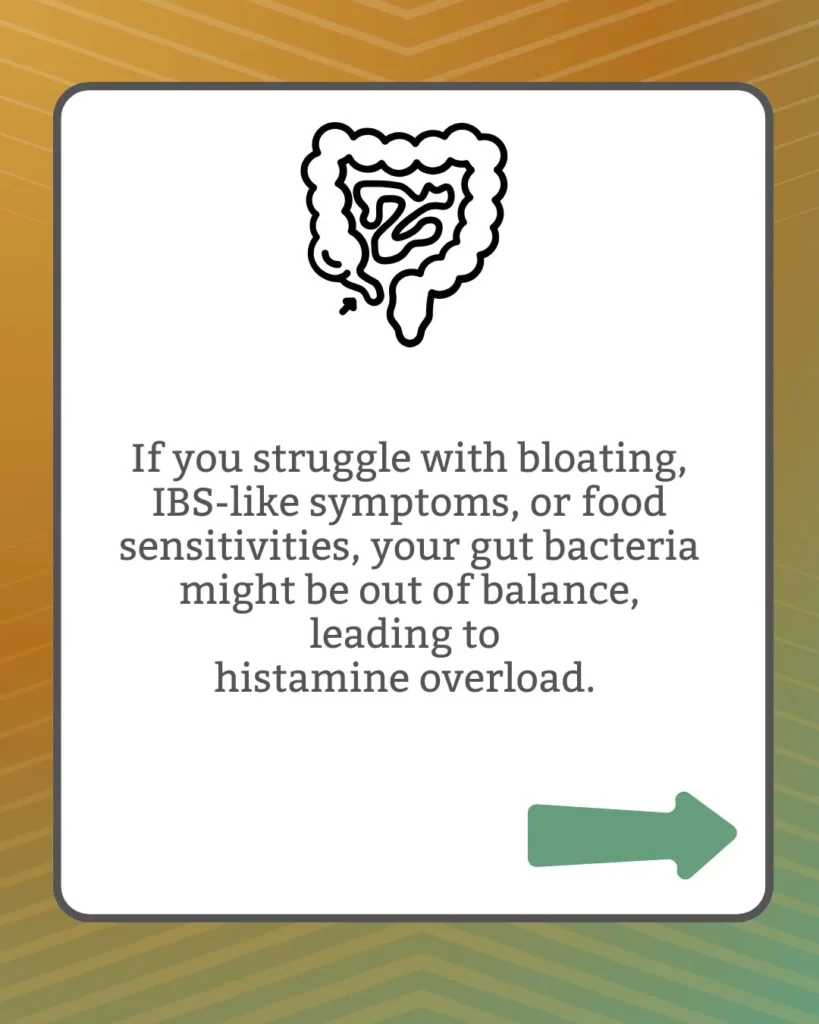
● Gut Health Imbalances: A healthy gut microbiome is essential for proper histamine metabolism. Dysbiosis, leaky gut, and small intestinal bacterial overgrowth (SIBO) can impair DAO production and lead to histamine buildup.
● Nutrient Deficiencies: DAO enzyme function depends on certain nutrients, particularly vitamin B6, copper, and vitamin C. Deficiencies in these nutrients can exacerbate histamine intolerance.
● Hormonal Fluctuations: Estrogen can promote histamine release, which is why some women notice worsening symptoms around ovulation or during PMS. That estrogen–histamine link is one thread in a larger story about how gut health influences hormone balance, including how the gut helps clear estrogen from the body.
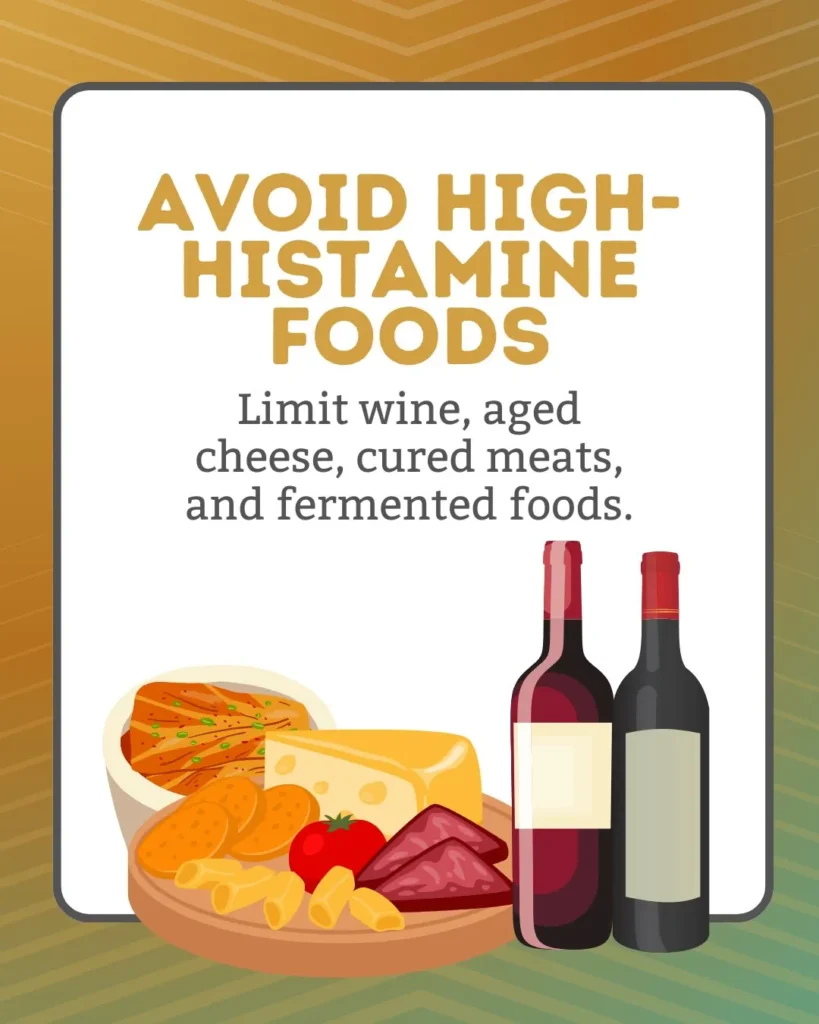
● High-Histamine Foods: Aged cheeses, fermented foods, alcohol, processed meats, and certain vegetables like tomatoes and spinach are naturally high in histamine and can contribute to symptoms.
● Medications: Some medications, including NSAIDs, antidepressants, and antihistamines, can interfere with DAO activity and histamine breakdown.
Testing for a Proper Diagnosis
Functional lab tests are used to measure histamine levels and diamine oxidase (DAO) activity. A high histamine to DAO ratio can indicate that a person is consuming too many histamine-rich foods and has insufficient enzymes to break down histamines.
Some practitioners may also use a histamine skin prick test to detect elevated levels.
While detecting high histamine levels is relatively straightforward, pinpointing the root cause of histamine intolerance is more complex. Practitioners may run additional tests, such as allergy tests, or investigate whether medication overuse is a contributing factor. It’s also common to test for nutrient deficiencies or food intolerances. Conditions like leaky gut or small intestinal bacterial overgrowth (SIBO) are often examined as well.

A Whole-Body Approach to Managing Histamine Intolerance
Managing histamine intolerance involves more than simply avoiding high-histamine foods. A whole-body approach focuses on supporting gut health, optimizing nutrient levels, and reducing inflammation.
1. Supporting Gut Health
Since DAO is produced in the gut, improving gut health is a crucial step. Strategies include:
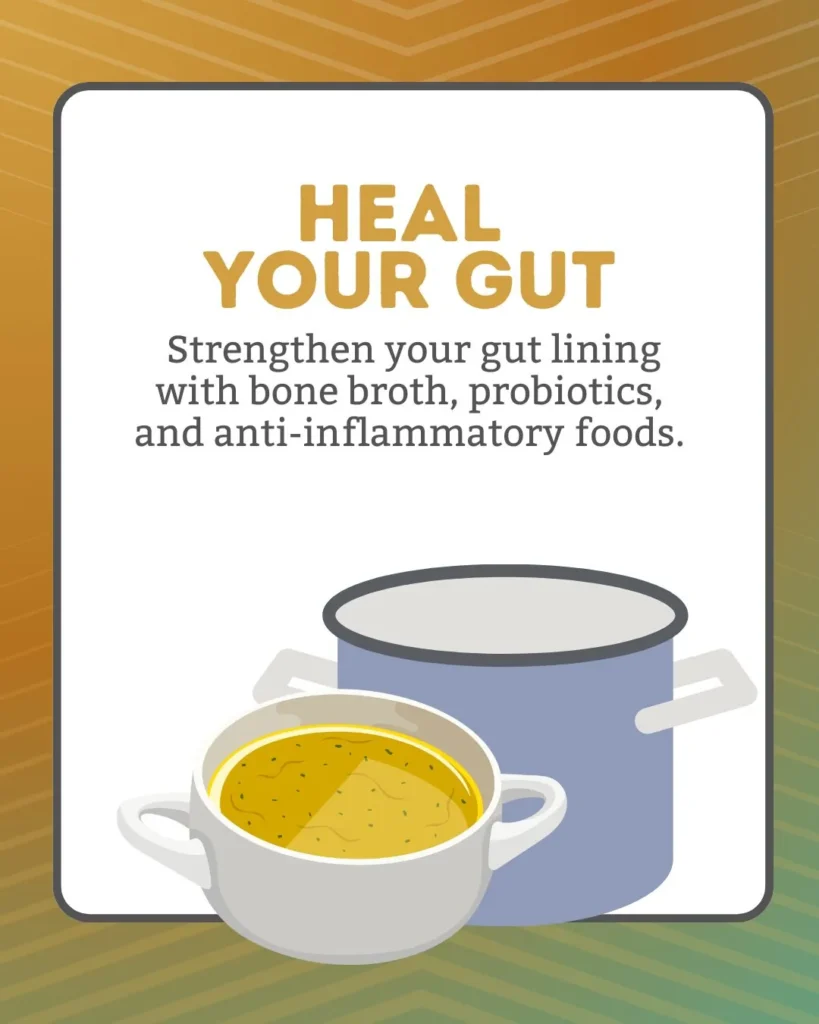
● Healing the Gut Lining: Consuming bone broth, collagen, and glutamine can help repair intestinal permeability (leaky gut), which is often a contributor to histamine intolerance.
● Balancing the Microbiome: Introducing probiotics that do not produce histamine, such as Lactobacillus rhamnosus and Bifidobacterium infantis, can support gut balance without exacerbating symptoms.
● Addressing SIBO and Dysbiosis: If an overgrowth of bacteria is present, antimicrobial herbs, probiotics, and a temporary low-histamine diet may help rebalance the gut.
2. Optimizing DAO Activity and Nutrient Levels
Ensuring adequate levels of nutrients that support DAO function is essential. These include:
● Vitamin B6: Found in poultry, bananas, and potatoes, B6 is crucial for DAO production.
● Vitamin C: Acts as a natural antihistamine and supports immune function.
● Copper: Helps activate DAO and is found in nuts, seeds, and organ meats.
● Quercetin: A flavonoid with mast cell-stabilizing properties that can help reduce histamine release.
3. Adopting a Low-Histamine Diet Temporarily
While diet is not the root cause of histamine intolerance, temporarily reducing high-histamine foods can provide symptom relief while the body heals. Focus on fresh meats, non-citrus fruits, leafy greens, and freshly prepared meals rather than leftovers, which tend to accumulate histamine.
4. Reducing Stress and Supporting Detoxification
Chronic stress can contribute to histamine intolerance by increasing inflammation and impairing gut function. Practices such as deep breathing, gentle exercise, and sufficient sleep can help regulate histamine levels. Supporting liver detoxification through adequate hydration and cruciferous vegetables can also aid in breaking down histamine more efficiently. For a closer look at testing, DAO enzyme support, and how a full care plan comes together, see our guide to histamine intolerance treatment options.
Histamine intolerance is a complex condition that is often overlooked and misdiagnosed due to its wide-ranging symptoms. A whole-body approach that includes gut healing, nutrient optimization, stress management, and dietary adjustments can help restore balance and reduce symptoms. By addressing the root causes rather than just managing symptoms, individuals can achieve lasting relief and improve overall well-being.

References:
Jochum C. Histamine Intolerance: Symptoms, Diagnosis, and Beyond. Nutrients. 2024 Apr 19;16(8):1219. doi: 10.3390/nu16081219. PMID: 38674909; PMCID: PMC11054089.
Maintz L, Novak N. Histamine and histamine intolerance. Am J Clin Nutr. 2007 May;85(5):1185-96. doi: 10.1093/ajcn/85.5.1185. PMID: 17490952.
Comas-Basté O, Sánchez-Pérez S, Veciana-Nogués MT, Latorre-Moratalla M, Vidal-Carou MDC. Histamine Intolerance: The Current State of the Art. Biomolecules. 2020 Aug 14;10(8):1181. doi: 10.3390/biom10081181. PMID: 32824107; PMCID: