By Julie McDonald, PA-C, co-owner of Monarch Functional Medicine
After stopping hormonal birth control, some people notice changes in their periods, skin, mood, or energy. These symptoms can be real and disruptive, but they do not necessarily mean you have a condition called post-birth-control syndrome. This guide explains what the term means, what may happen after stopping different methods, when to seek care, and what to discuss with a provider.
What Is Post Birth Control Syndrome?
“Post-birth-control syndrome” is an informal term some people use for symptoms noticed after discontinuing hormonal contraception. It is not an established medical diagnosis, and there is no single set of diagnostic criteria or proven treatment protocol for it.
Is It a Real Diagnosis?
The symptoms people report are real, but the label does not identify their cause. Changes may reflect the return of a person’s usual menstrual pattern or symptoms that birth control had been managing. Pregnancy or another health condition may also need to be considered.
Hormonal contraceptives do not all affect ovulation and bleeding in the same way. For example, methods differ by hormone type and how they prevent pregnancy. After stopping, what a person notices can depend on the method, why they used it, and their health history.
Birth control can also cover up issues that were there all along. Because it creates predictable bleeds and can calm acne or heavy periods, an underlying problem may only show up once you stop. For example, PCOS symptoms such as irregular cycles or acne may become more noticeable after stopping birth control that had been used to manage them. This does not mean everyone who experiences symptoms after stopping has PCOS. Learn more about PCOS.
Common Post Birth Control Syndrome Symptoms
People report different changes after stopping hormonal contraception. Possible changes include:
- Periods: missing, late, irregular, heavier, or more painful
- Skin and hair: breakouts, oily skin, temporary shedding
- Mood: anxiety, low mood, irritability, or other mood changes
- Energy and focus: fatigue and brain fog
- Other: headaches, bloating, breast tenderness, changes in sex drive, or weight changes
These symptoms overlap with many health conditions and do not confirm a hormone imbalance or post-birth-control syndrome. A clinician can help assess persistent or concerning symptoms.
Anxiety and Depression After Stopping Birth Control
Some people notice mood changes after stopping contraception, but anxiety or low mood can have many causes. Current evidence does not establish that a specific progesterone pattern explains anxiety after stopping birth control. If mood symptoms persist or interfere with daily life, discuss them with a healthcare provider.
Stopping hormonal birth control lead to increased anxiety and panic attacks … It took me a while to put the two together. I had been taking a …Read on Reddit ↗
If you’re experiencing severe depression or thoughts of harming yourself, call or text the 988 Lifeline. If you or someone else is in immediate danger, call 911.
Why Am I So Exhausted?
Fatigue can have many causes, including sleep problems, stress, thyroid conditions, nutrition, mood concerns, and other health issues. It should not automatically be attributed to stopping birth control or to a nutrient deficiency. If fatigue continues, a clinician can help decide whether an evaluation is appropriate.
Weight Gain
Weight changes may be linked to shifting hormones, appetite changes, or insulin resistance that birth control was hiding. The goal is finding which of these is actually driving the change for you.
What Causes Post Birth Control Syndrome?
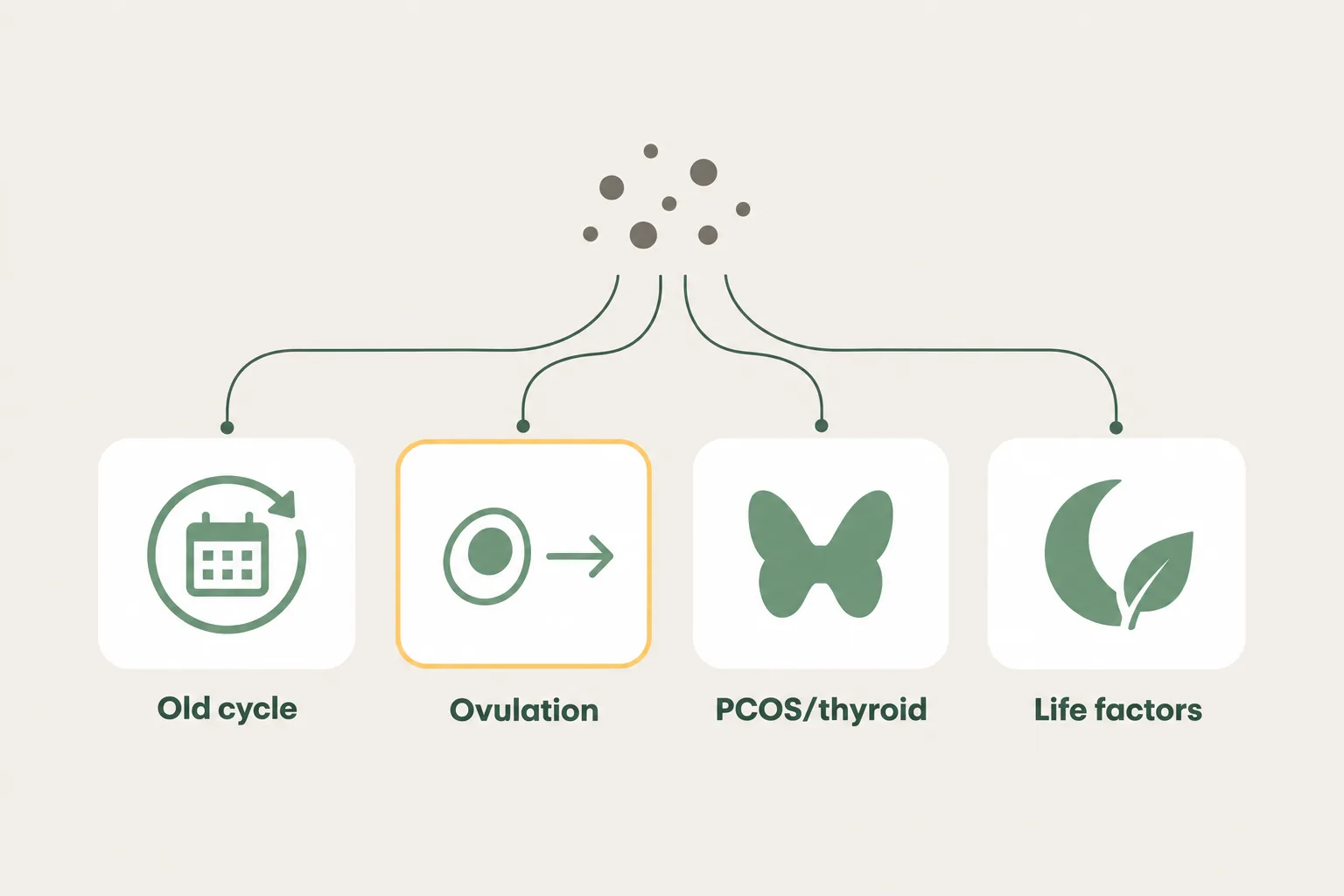
There is no confirmed cause of a diagnosable post-birth-control syndrome. Symptoms noticed after stopping may have different explanations, including:
- Return of a previous cycle pattern: irregular, painful, or heavy periods that were being managed with contraception may recur.
- A change in ovulation or bleeding: timing varies by contraceptive method and individual health history.
- A previously unrecognized condition: PCOS, thyroid disease, or another condition may be considered when symptoms and clinical evaluation support it.
- Other health or life factors: sleep, stress, nutrition, medications, and mood can affect how someone feels, but should not be assumed to be caused by birth control.
There is not enough evidence to say that long-term birth control use routinely causes nutrient deficiencies, digestive problems, or hormone “imbalance” after stopping.
Supplements or gut treatments should be based on an individual assessment, not the label alone.
How Long Does Post Birth Control Syndrome Last?
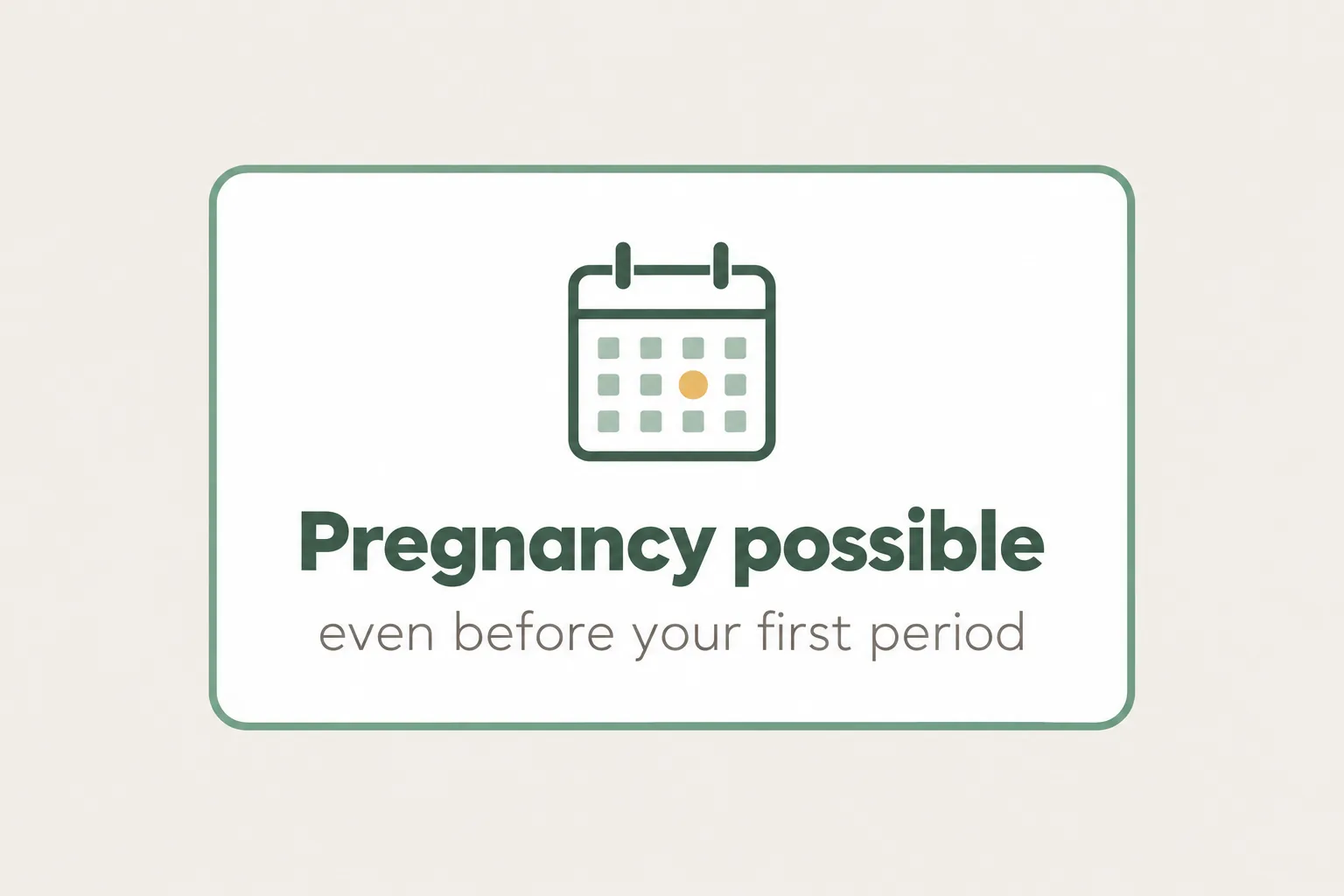
There is no established timeline for post-birth-control syndrome because it is not a formal diagnosis. Menstrual cycles may take time to settle after stopping, and timing varies by method and individual. The timing of fertility returning is a separate issue: pregnancy may be possible before the first period after stopping some methods.
If you do not want to become pregnant, plan another contraceptive method before stopping. Pills, patches, and rings differ from methods such as an injection, implant, or hormonal IUD. Read ACOG’s guide to combined hormonal birth control and discuss method-specific questions with your clinician.
If symptoms last, worsen, or disrupt daily life, seek an assessment rather than assuming they are part of a syndrome.
Supporting Your Body After Stopping Birth Control
- Track your cycle and symptoms to share with your provider.
- Eat regular, balanced meals and aim for habits that support sleep and overall well-being.
- Choose movement that feels manageable and make room for stress support.
- Ask before starting supplements. The right choice depends on your health history, medications, and whether a deficiency has been identified.
If you are planning to stop, ask about what to expect from your specific method and what to use if you want to avoid pregnancy. An IUD or implant needs to be removed by a healthcare professional. Do not assume you need baseline lab testing or a “hormone reset” solely because you are stopping contraception.
When to See a Provider
- Your period has not returned for three months or more, or you have missed periods and could be pregnant. ACOG defines amenorrhea as no period for three months or more in someone who previously menstruated. See ACOG’s amenorrhea guidance.
- Severe acne, hair loss, or other possible signs of PCOS
- Ongoing anxiety, low mood, fatigue, or brain fog
- You might be pregnant or have a positive pregnancy test
- You have severe pain, unusually heavy bleeding, or symptoms that are worsening
- You’ve been told your labs are “normal,” but you still feel unwell
How Monarch Approaches Post Birth Control Symptoms
Monarch Functional Medicine considers symptoms, relevant laboratory findings, health history, and lifestyle factors together. The practice focuses on hormone health, thyroid concerns, nutrition, stress, sleep, and gut health. Learn more about its functional medicine approach to hormone imbalance in women.
Julie McDonald, PA-C, co-owner of Monarch Functional Medicine, has more than two decades of clinical experience across family medicine, emergency medicine, and functional medicine. Monarch serves patients in Michigan, with in-person care in Marquette and virtual care across the state. Results vary, and symptoms require individual evaluation.
Frequently asked questions
Is post-birth-control syndrome an official medical diagnosis?
Can you get pregnant before your first period after stopping birth control?
Can acne or painful periods return after stopping birth control?
When should I contact a provider if my period has not returned?
Start With the 12 Week Reset
The 12 Week Reset is Monarch Functional Medicine’s starting point for new patients. It offers a structured first step for reviewing health concerns and discussing a personalized plan; it does not guarantee a diagnosis or specific result. Michigan residents can learn about the 12 Week Reset or book a free 15-minute strategy session to ask whether Monarch’s services are a fit.