
You have been told your labs are fine. Fasting glucose: normal. A1c: normal. Cholesterol: “A little high, but nothing to worry about.” Meanwhile, the weight keeps settling around your middle even though you eat less than the people around you; you crash at three in the afternoon, you wake at 2 a.m. staring at the ceiling, and you read the same paragraph three times before it lands.
Symptoms and lab results do not always line up, but symptoms alone cannot diagnose insulin resistance.
Functional medicine approaches insulin resistance by combining standard glucose testing with a broader review of symptoms, risk factors, medications, sleep, nutrition, activity, and related conditions. Selected additional tests may add context, but no single marker diagnoses insulin resistance. Care should remain coordinated with standard diabetes screening and treatment.
This educational article does not diagnose insulin resistance or replace medical care. Testing and treatment decisions should be made with a qualified clinician.
I am Julie McDonald, MMS, PA-C, FMACP, founder and lead provider of Monarch Functional Medicine. In more than two decades in clinical medicine, first in family practice, then emergency medicine, and now functional medicine, the pattern I see most often is not a rare mystery illness. It is a metabolism that has been drifting for years while every screening test came back “within range.”
So let’s walk through what a root-cause approach actually looks at: what gets tested, what gets changed, and in what order. If you want more on why timing matters this much, keep reading; the testing section explains how clinicians interpret the broader metabolic picture.
Related readingThe Missing Link Between “Normal Labs” and Persistent Symptoms – Monarch Functional MedicineRead the guide →What Insulin Resistance Actually Is, in Plain Words
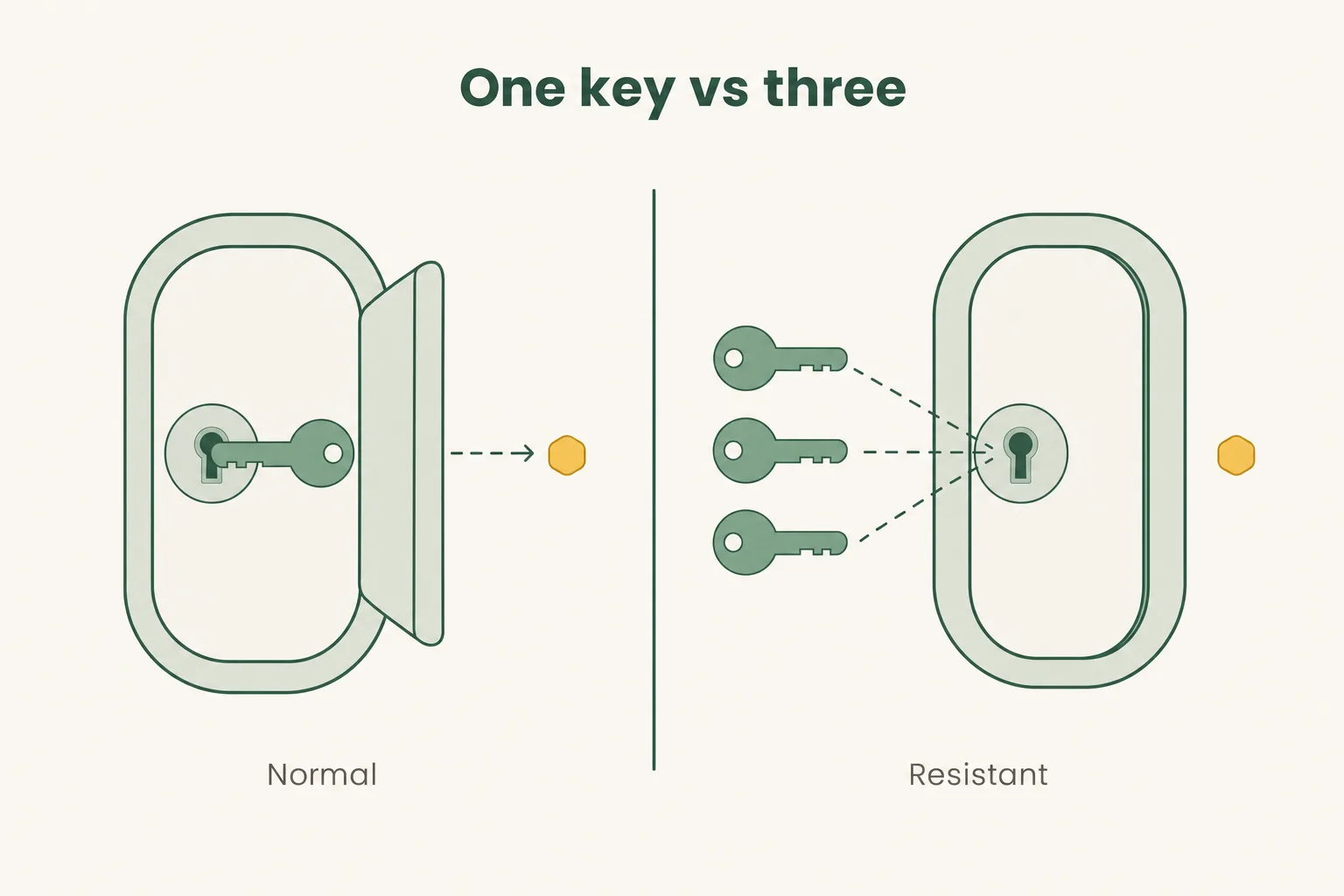
Insulin is a key. Your cells have locks. When you eat, insulin unlocks the door so sugar can leave your bloodstream and get used for energy or stored away.
Insulin resistance is a sticky lock. The key still fits; it just does not turn easily. So your body does the reasonable thing and makes more keys: more insulin, more often, to open the same door.
Here is the part that matters. Blood glucose can remain within the usual range while insulin regulation is changing, so a normal result does not answer every metabolic question. Standard tests remain important; they answer a different question. The body may compensate for a period of time, but the duration and progression vary from person to person.
Insulin resistance is not a diagnosis that appears only when A1C crosses a line. Earlier identification may create more opportunity to address modifiable risks, but response depends on the cause, diagnosis, treatment, and health history.
Possible Signs and Risk Signals
Most people do not walk in saying “I think I have insulin resistance.” They walk in with a list of insulin resistance symptoms that sound unrelated to each other. These signs are nonspecific and may also reflect sleep disorders, medication effects, thyroid conditions, stress, glucose abnormalities, or other health concerns.
Energy patterns. A hard crash mid-afternoon. Needing to eat every two or three hours or you get irritable and foggy. Wired at night, exhausted in the morning. Sleepy right after meals, especially carb-heavy ones.
Physical changes. A waistband getting tighter while the scale barely moves. Weight that will not budge on the same effort that used to work. Skin tags. Darker, velvety patches on the back of the neck, in the armpits, or in skin folds.
Hormonal clues. Cycles turning irregular or heavier. Perimenopause that feels disproportionately rough. Acne or unwanted hair growth. In men, low energy, lower drive, and declining performance in the gym. Insulin resistance can be part of the metabolic picture in PCOS, but PCOS is heterogeneous and insulin resistance is not the only possible driver, which is why we discuss insulin resistance and PCOS in the context of a broader evaluation.
The low blood sugar side. This one surprises people. Shakiness, headaches, sudden irritability, or a racing heart can have several possible causes, including medication effects and true hypoglycemia. Document the timing and seek clinical evaluation instead of assuming these symptoms indicate insulin resistance.
Sleep and mood. Waking consistently at 2 or 3 a.m. Snoring or gasping in your sleep. Anxiety that spikes an hour or two after eating. None of these prove insulin resistance on their own. Together they form a pattern worth investigating.
Factors That Can Contribute to Insulin Resistance
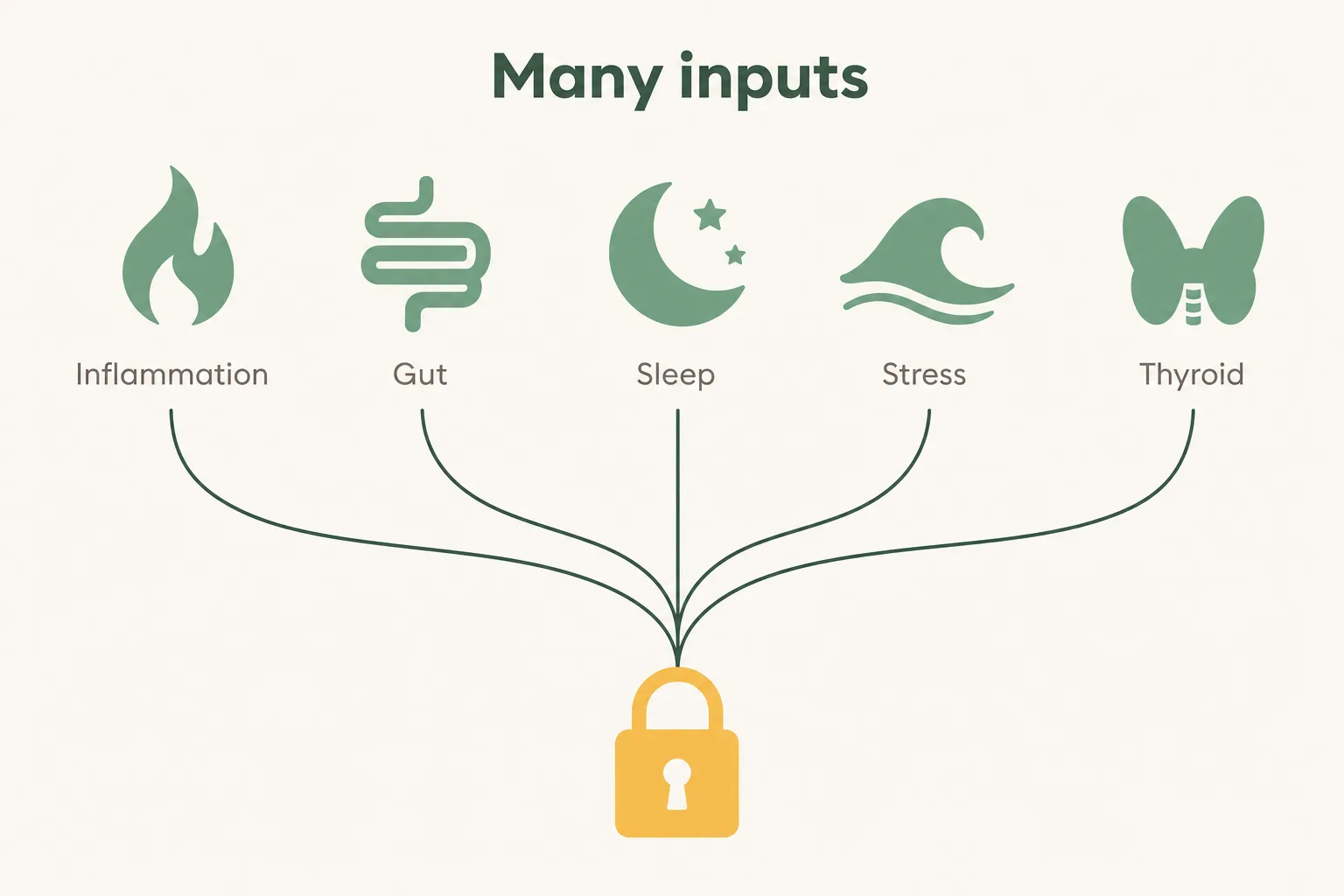
Insulin resistance can reflect several interacting factors. A useful evaluation considers family history, body composition, physical activity, sleep, medications, PCOS, and other medical conditions rather than assuming one cause.
Chronic low-grade inflammation. Inflammation interferes with insulin signaling. It is the background noise that makes the lock stickier, and it comes from somewhere: an untreated gut issue, poor sleep, belly fat, an autoimmune process, ongoing stress.
Gut health. Digestive symptoms may coexist with metabolic symptoms, but gut complaints do not prove that microbiome imbalance is causing insulin resistance. Any gut-focused evaluation should be guided by symptoms and appropriate clinical testing.
Stress and cortisol. Stress hormones can influence blood-glucose regulation. Chronic stress may also affect sleep, eating patterns, and activity, so it belongs in the history without being treated as a standalone diagnosis.
Sleep debt and shift work. Short or broken sleep can affect insulin sensitivity. If your work schedule disrupts sleep, include that context in the evaluation so recommendations can fit your actual schedule.
Thyroid and sex hormones. Thyroid disease, PCOS, menopause, medications, and changes in body composition can affect metabolic symptoms. Testing should be chosen from the history rather than assumed for everyone, which is why our metabolic health evaluation looks at thyroid, hormones, and inflammation together instead of one at a time.
Nutrient shortfalls. A documented nutrient deficiency may matter, but testing and supplementation should have a clear clinical rationale.
Body composition, not body weight. Muscle is an important site of glucose uptake, and body size alone does not determine metabolic risk. Two people at the same weight can have different metabolic pictures, so body composition should be considered alongside other findings.
Quieter contributors. Review certain medications, alcohol use, dietary patterns, family history, and other health conditions as part of the broader picture. Avoid treating vague environmental exposures as established causes without a specific clinical reason.
How Insulin Resistance Is Evaluated
A1C, fasting plasma glucose, and the 2-hour oral glucose tolerance test help assess glucose status and diabetes risk. These are important parts of standard screening. Fasting insulin or HOMA-IR may add context in selected situations, but no single test confirms insulin resistance on its own. For an overview of recommended glucose-based tests, see NIDDK’s guidance on prediabetes testing.
Fasting Insulin and HOMA-IR: Useful Context, Not a Diagnosis
Fasting insulin can add context in selected situations, but it is not a substitute for standard glucose testing and should not be interpreted as a standalone diagnosis. It may help a clinician consider how much insulin is present alongside fasting glucose, but the result depends on the assay, units, timing, and clinical context.
HOMA-IR combines fasting insulin and fasting glucose as a surrogate estimate of insulin resistance. It is useful shorthand, not a diagnosis; Endotext’s explanation of insulin-sensitivity assessment discusses the limitations of surrogate measures.
Reference intervals and treatment goals are not interchangeable. Ask the clinician how a result should be interpreted in your specific context rather than applying an online “optimal” range.
One caution I give everyone. Please do not diagnose yourself from a single number or an online HOMA-IR calculator. Insulin and glucose results shift with recent illness, sleep, alcohol, where you are in your cycle, medications, and what you ate yesterday.
A number is a data point. Interpretation is a skill.
Beyond Blood Sugar
- hs-CRP, when a clinician considers it relevant to the broader risk picture; it is not a standalone insulin-resistance test.
- Triglycerides, HDL cholesterol, blood pressure, waist or body-composition measures, and liver markers when clinically indicated.
- Thyroid, sex-hormone, or PCOS-related testing when symptoms and history support it, rather than as a universal panel for everyone.
- Optional tools such as a continuous glucose monitor only when they add a clear clinical benefit; a CGM is not required for every insulin-resistance evaluation.
A result is one data point; interpretation depends on the pattern, history, and clinical context.
Nutrition Patterns That Support Insulin Sensitivity
A balanced eating pattern can support glucose regulation and insulin sensitivity, but the most appropriate plan depends on health status, medication use, preferences, and goals.
Build the plate. Include protein, fiber-rich carbohydrates, vegetables, and unsaturated fats in portions that fit your needs. Most people do not need a branded diet. They need a repeatable plate.
Order matters more than people expect. Food order may affect post-meal glucose for some people, but overall eating pattern matters more than a single technique. And try not to eat carbs alone. A handful of crackers by itself hits differently than crackers with cheese.
What needs to shrink. Sugar-sweetened drinks, including the coffee that is functionally dessert. Refined flour products. Ultra-processed snacks engineered to be eaten by the handful. Liquid calories in general. Alcohol, which hits both blood sugar and sleep quality.
Time-restricted eating. Time-restricted eating may help some people, but evidence and safety vary. It may not be appropriate for people who are pregnant, taking glucose-lowering medication, managing an eating disorder, or dealing with certain medical conditions. If you get shaky between meals or have a history of disordered eating, discuss the approach with a qualified clinician before changing your eating window.
Make it livable. A sustainable eating pattern can use familiar, affordable foods; it does not require specialized products.
Movement, Sleep, and Stress: Foundations of Care
Movement, sleep, and stress can support glucose regulation alongside nutrition. For broader lifestyle guidance, see CDC information on insulin resistance and type 2 diabetes.
Strength training supports muscle health and glucose uptake, but the frequency and intensity should match your fitness level, health history, and goals.
Walk after you eat. A short walk after a meal may help reduce post-meal glucose for some people. Choose a duration and pace that are safe, realistic, and sustainable. Set a movement floor, not just a workout goal. If you sit for a living, short movement breaks can be practical.
Stand, walk, or change position at regular intervals, and adapt the plan to your work schedule.
Support stress regulation. Slow breathing, morning daylight, realistic work boundaries, and less scrolling before bed may help create conditions that support sleep and healthy routines.
Treat sleep as part of metabolic care. A consistent wake time and a sleep environment that supports rest can help. If you snore, wake gasping, or never feel rested, discuss possible sleep apnea with a clinician.
Lifestyle foundations make supplement decisions more useful, but perfection is not required.
Supplements: When They May Fit, and Their Limits
Supplements may be considered when there is a documented deficiency, an evidence-based indication, or a clearly defined clinical goal. Nutrition, activity, sleep, medication review, and follow-up remain the foundation. Supplements should address a specific need rather than serve as a general stack.
- Magnesium may be considered when a deficiency or another clinical reason supports its use. Form, dose, kidney function, and medication interactions matter.
- Vitamin D should not be presented as a universal insulin-resistance treatment. Supplementation should follow documented need or clinician guidance.
- Berberine has been studied for glucose-related effects, but evidence and safety vary. It can interact with medications and is not appropriate for everyone; review NCCIH’s berberine safety information with a clinician.
- Alpha-lipoic acid, chromium, inositol, and omega-3 fats have different evidence and indications. None belongs in every person’s supplement plan.
Several supplements can interact with diabetes, thyroid, and blood-pressure medications. Selection, dosing, timing, and product quality should be reviewed with a clinician or pharmacist who knows what else you take. NCCIH’s overview of dietary supplements and diabetes explains why supplements should not replace medical care.
What Improvement May Look Like Over Time
Expectations prevent quitting, so here is an honest sequence.
Timelines vary. Symptoms may change before measurable laboratory markers, and follow-up testing should be planned around the intervention, baseline results, and clinical context. A1C reflects a longer period of glucose exposure by design, while energy, sleep, and body-composition changes may follow different timelines. I cannot promise a specific result or timeline.
We retest instead of assuming. Re-measuring tells you whether the plan is working and where to adjust, which beats another year of hoping.
Insulin sensitivity and glycemic markers can improve for some people. How much improvement, and how durable it is, depends on the underlying factors, treatment, other conditions, and ongoing follow-up.
There is no universal fastest route. Prioritize sustainable changes in nutrition, activity, sleep, and stress support rather than promising a shortcut or relying on a supplement stack.
When progress stalls, revisit the full picture: medication, sleep, activity, nutrition, thyroid or hormonal conditions, stress, and the original diagnosis.
A plateau is information, not failure.
Medication is not the enemy. Functional medicine should work alongside conventional care. Do not start, stop, or change diabetes, thyroid, or blood-pressure medication without the prescribing clinician.
What to Expect from a Monarch Metabolic Health Evaluation
It starts with a real history. Not a five-minute intake, but a timeline: when the fatigue began, what was happening in your life that year, what changed after the pregnancy or the illness or the promotion or the divorce, what you have already tried, what helped a little, and what did nothing at all.
Then clinically appropriate labs, chosen for your picture rather than pulled off a template.
Then the part that matters most: turning that pile of results into plain English. Here is what your insulin is telling us. Here is why your thyroid and your energy are related. Here is why the diet you tried stopped working. Here is what we do first, second, and third, and here is how we will know whether it is working.
Standard clinical testing and a broader review of symptoms, history, lifestyle, and related conditions can both inform the evaluation. The goal is to interpret the findings together rather than rely on one result.
Monarch provides functional medicine care in person in Marquette and virtually throughout Michigan, with individualized plans based on each patient’s history and findings.
What I want for you is simple: to stop feeling confused and dismissed, and to start feeling clear and confident about what is actually happening in your body and what to do about it.
When to Seek Medical Care
Persistent excessive thirst, frequent urination, unexplained weight loss, blurred vision, repeated shakiness, or abnormal glucose results deserve clinical evaluation. Severe symptoms such as confusion, vomiting, or difficulty breathing require urgent medical care. For general symptom context, see Cleveland Clinic’s insulin-resistance overview.
Frequently Asked Questions About Insulin Resistance
Frequently asked questions
What helps improve insulin resistance?
Can a vitamin deficiency contribute to insulin resistance?
Can insulin resistance improve, and does improvement last?
Can I have insulin resistance with a normal A1C and a normal weight?
Is HOMA-IR diagnostic, and what does fasting insulin show?
Is insulin resistance the same as diabetes?
Can functional medicine replace diabetes medication or conventional care?
Ready to Discuss Your Metabolic Health?
If you recognized yourself in this article (the frustrating labs, the afternoon crashes, the weight that will not move, the sense that something is off even though everyone keeps telling you that you are fine), that is worth investigating properly.
Our 12-Week Energy, Hormone & Metabolism Reset is where every Monarch patient begins. It includes comprehensive testing, a clear plain-English explanation of what your results mean, and a personalized plan with guided support, so you are not left interpreting a lab report alone at your kitchen table.
If you are in Michigan and ready to trade guessing for clarity, book a Free 15-Minute Strategy Call. We will talk through your situation honestly and tell you whether we are the right fit. No pressure, just a real conversation about what is going on in your body and what to do about it.