What is genetic testing in functional medicine and what does it reveal? Functional genetic testing usually means a nutrigenomic panel that examines selected DNA variants. Depending on the panel, it may provide context about nutrient-related, hormone-related, metabolic, and stress-related pathways. It does not diagnose disease, measure your current hormone levels, or determine a supplement plan by itself.
You crash at two in the afternoon. The scale creeps up even though your eating never changed. Sleep is broken, your thinking feels foggy, and the bloodwork came back “normal.” Somewhere in the search for a deeper answer, genetic testing shows up.
The practical question is not whether a genetic variant sounds interesting. It is whether the result answers a specific health question and changes what you do next.
I’m Julie McDonald, MMS, PA-C, FMACP, founder and lead provider of Monarch Functional Medicine. After more than two decades across Emergency Medicine, Family Medicine, and Internal Medicine, I have seen these tests oversold in both directions. Here is what they may reveal, and what they cannot.
What Genetic Testing Means in Functional Medicine
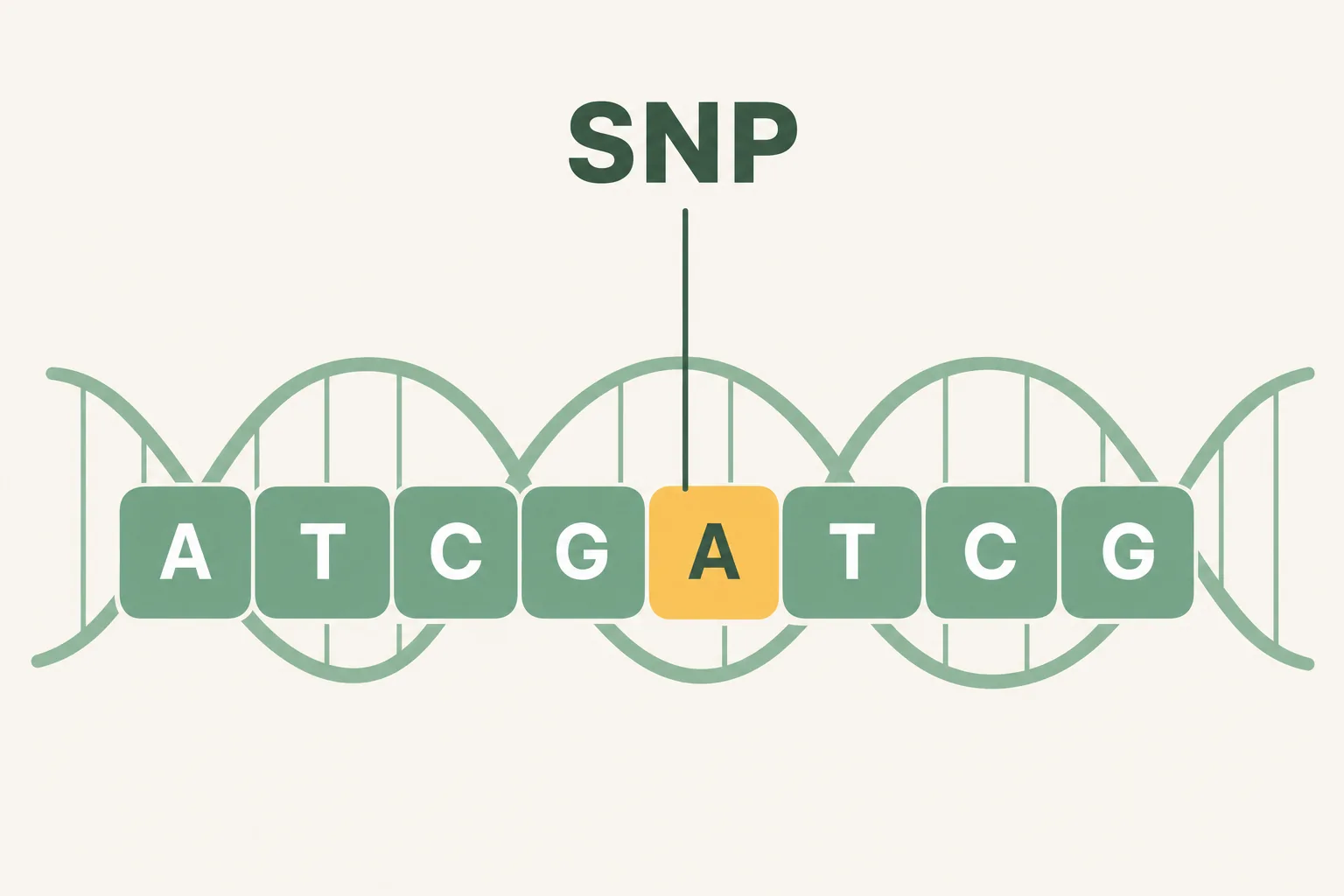
Your DNA is written in a four-letter code. In some spots, one person’s code carries a different single letter than another’s. Those single-letter differences are called SNPs, and they are common. Most of us carry plenty.
Think of your genes as an instruction manual for building and running your body. A SNP is a small edit to one line. The step still happens, but it may run a little faster or slower than average.
Related readingPersonalized Nutrition Plan | Functional Medicine | Monarch FMRead the guide →A variant is a tendency, not a verdict.
Its meaning depends on the gene, the specific variant, the evidence behind it, and your clinical context, not only your diet, sleep, or stress load. That is why we treat nutrigenomic testing as one input among several rather than the whole answer.
Functional Testing vs. Diagnostic Genetic Testing
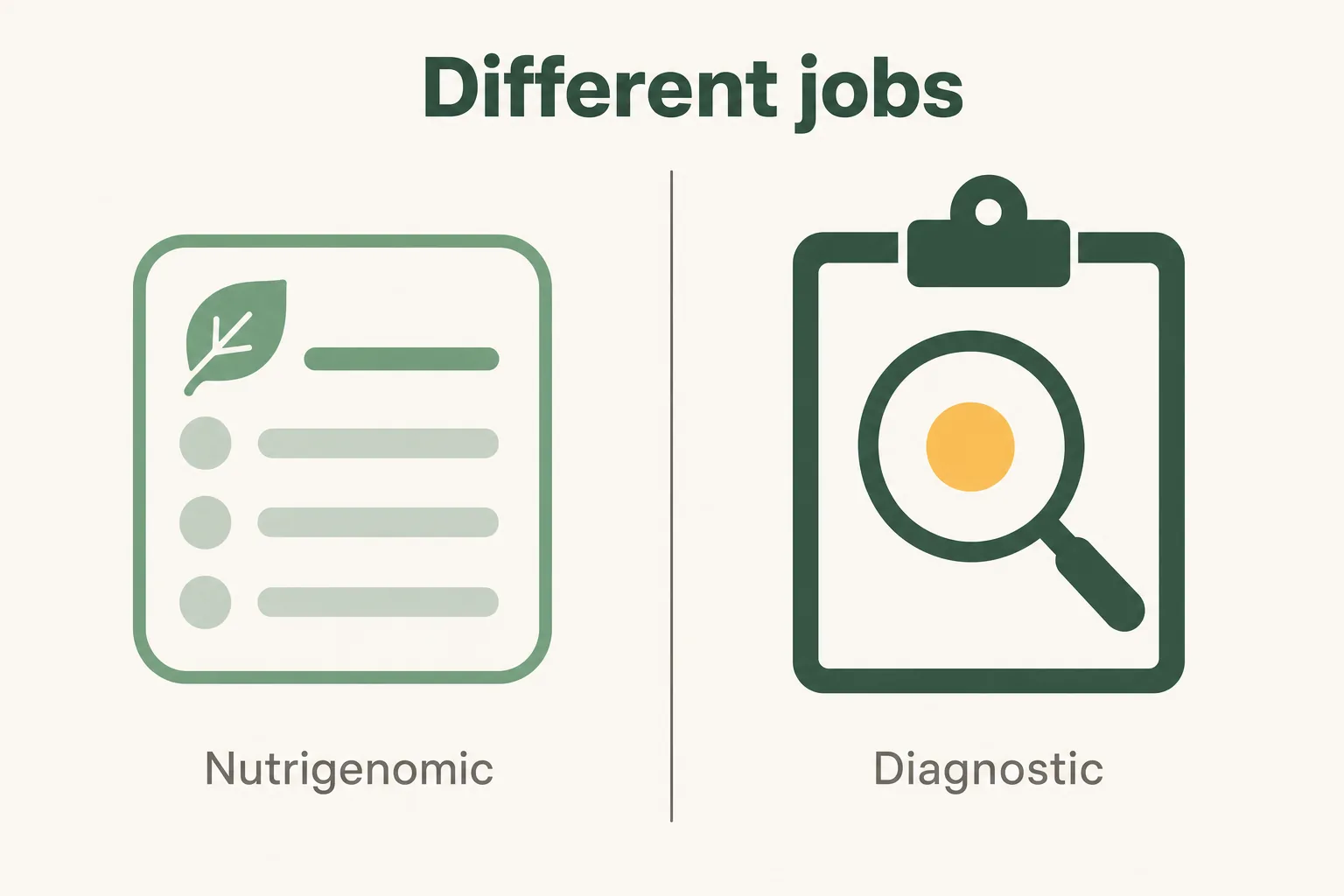
“Functional genetic testing” is not one standardized test category. In this article, the term refers to nutrigenomic or SNP testing that examines selected common variants for possible health context. The exact purpose and usefulness depend on the laboratory, panel, and clinical question.
Diagnostic genetic testing is ordered to confirm or rule out a specific inherited condition, assess risk when a condition runs in the family, guide medication choices, or screen during pregnancy. Those panels look for high-impact changes tied to conditions such as cystic fibrosis, sickle cell disease, or Huntington disease, and they are ordered by a physician or a certified genetic counselor. The CDC overview of genetic testing explains that genetic tests serve different purposes and use different types of samples and interpretation.
A nutrigenomic panel may inform conversations about nutrition, supplements, or lifestyle, but it should not be presented as a diagnostic test or a stand-alone treatment plan. If your main question is inherited disease risk, cancer risk, pregnancy, or family history, ask a qualified medical provider whether clinical genetic counseling is appropriate.
What Can Functional Genetic Testing Reveal?
The exact scope depends on the panel. Common areas discussed in nutrigenomic testing include nutrient-related pathways, hormone and environmental-compound metabolism, inflammatory and oxidative-stress pathways, stress-related metabolism, and cardiometabolic traits. A result may provide context in one of these areas; it does not explain a symptom by itself.
Nutrient-Related Pathways
Some variants are studied for their relationship to nutrient-related pathways, including folate metabolism. A result may prompt a clinician to review current nutrient levels, diet, medications, and other factors; it does not prove a deficiency or explain fatigue and brain fog by itself. For pregnancy-related questions, common MTHFR variants are not a reason to avoid folic acid, according to CDC guidance on MTHFR variants.
What’s wild is that none of my doctors had ever suggested genetic testing for methylation pathways. They were looking at each symptom in …Read on Reddit ↗
Hormone and Environmental-Compound Pathways
Some panels examine variants in enzymes involved in hormone or environmental-compound metabolism. A genetic result does not measure estrogen, cortisol, toxin levels, or current hormone clearance. It also cannot establish that a variant caused cycle changes, breast tenderness, mood changes, or sensitivity to paint. Food, hydration, bowel habits, and household-product choices may be general lifestyle topics, but they are not automatic treatments for a genetic finding.
Inflammation and Oxidative Stress
Some variants may be associated with inflammatory signaling or antioxidant pathways. They do not diagnose inflammation, gut disease, insulin resistance, joint pain, or a cause of weight change. Current symptoms and appropriate laboratory evaluation are still needed.
Stress, Mood, and Sleep
Genes such as COMT are studied in relation to catecholamine metabolism, but a COMT result cannot diagnose stress, mood, insomnia, or caffeine sensitivity. If a panel reports this type of variant, interpret it as one limited piece of information rather than a prediction of how you will feel.
Genetic testing can show issues that can contribute to frequent headaches. Methylation, COMT, variants, biochemical bottlenecking, detox issues …Read on Reddit ↗
Metabolic and Cardiovascular Tendencies
Some markers are studied in relation to lipid or glucose-related traits. They may inform questions to discuss with a clinician, but they should not determine your protein, carbohydrate, fat, or exercise prescription without current labs and clinical context.
What Genetic Testing Cannot Tell You?

A genetic test does not measure what is happening right now. It cannot directly tell you your current hormone levels, thyroid function, gut microbiome, nutrient status, or inflammation markers. Two people with the same variant can still have different symptoms, laboratory results, environments, and health histories.
A nutrigenomic panel also cannot predict most chronic conditions on its own. Genes may contribute to risk, but a selected-variant report is not a diagnosis, and a negative-looking result does not rule out an inherited condition.
The downsides deserve naming: results can be misread, testing can cost money, and a report can encourage unnecessary supplement purchases. Ask how your genetic data is stored, who can access it, whether the sample is destroyed, and how deletion requests work. Mayo Clinic’s guidance on genetic testing also recommends checking what a consumer test can and cannot tell you before using the results to make health decisions.
A genetic finding should lead to action only when its evidence, your symptoms, current labs, medications, and clinical question all support that action, and a qualified clinician agrees.
Genes Are the Blueprint, Labs Show the Building
A blueprint tells you how a house was designed. It does not tell you whether the basement is flooding.
A genetic map is most useful next to current functional lab testing when a clinician needs to assess what is happening now. Depending on the question, that may include hormone, thyroid, metabolic, nutrient, or inflammatory markers; not every person needs every test.
Take a folate-related variant. Paired with symptoms, medications, diet, and relevant laboratory results, it may prompt a clinician to review folate or B12 status and other possible contributors. It does not point to one specific cause or automatically require treatment.
Connecting genetics, current labs, lifestyle, and health history is the interpretive work. The result should help answer a question, not become a diagnosis copied from a report.
Does This Change Which Supplements I Need?
Sometimes, but not by itself. Genetic results may raise a question about a nutrient pathway or the form of a supplement, but current labs, diet, medications, allergies, pregnancy status, and symptoms also matter. Any supplement recommendation should be personalized to the full clinical picture and adjusted only with appropriate professional guidance.
How the Testing Works
Many nutrigenomic panels use saliva or a cheek swab, but the sample type and collection process depend on the laboratory and the test.
There are two different situations. A practitioner-ordered clinical test is selected for a defined health question. A consumer ancestry service may provide raw DNA data, but that file is not a substitute for clinical testing or genetic counseling. Any medically meaningful finding should be confirmed through an appropriate clinical test before it guides care. MedlinePlus explains the limitations of direct-to-consumer genetic testing.
Interpretation is the part that matters. A results review should end with a plain-English explanation of what applies to you, what remains uncertain, and what, if anything, should happen next. Monarch provides in-person care in Marquette and virtual care throughout Michigan; testing and collection requirements depend on the service.
What to Ask Before Genetic Testing
Before ordering a panel, ask:
- What exact health question is this test designed to answer?
- Which genes or variants are included, and which are not?
- Is this diagnostic, pharmacogenomic, nutrigenomic, or another type of test?
- What result would actually change my care?
- Who will interpret the result, and what happens if it is uncertain?
- How will my sample and genetic data be stored, shared, or deleted?
- Would a physician or genetic counselor be more appropriate for my concern?
Also ask how the laboratory establishes clinical validity, whether the variants tested are meaningfully related to the question the panel is meant to answer. NHGRI explains clinical validity in genetic testing.
Who Benefits Most
Genetic testing may be worth discussing when you have a specific question, and the result could change how that question is evaluated. It may provide additional context for people with ongoing symptoms or difficulty finding an individualized nutrition approach, but it is not a substitute for a diagnostic workup.
People with a strong family history of inherited disease, cancer, or a pregnancy-related concern may need a physician or genetic counselor instead of a nutrigenomic wellness panel. If sleep, food quality, medication review, and stress load have never been addressed, start with appropriate foundational care; a genetic panel is not a shortcut.
Frequently asked questions
Is genetic testing painful?
Will it tell me if I have a disease?
Do I need to repeat it?
Can I use consumer DNA raw data I already have?
Is there a downside?
How reliable is functional genetic testing?
Can genetic testing replace bloodwork?
Should I speak with a genetic counselor?
Your Next Step Toward Clarity
Genetic testing is one part of your health story. It may provide context about inherited tendencies, while your current labs, history, symptoms, and goals provide the rest.
If you want to explore whether genetic testing fits your situation, you can learn about the 12-Week Reset or contact Monarch to discuss the appropriate next step. The 12-Week Reset is a structured starting point, not a guarantee of a diagnosis or a specific outcome.
This article is educational and is not a substitute for individualized medical care.