
Functional medicine may begin with standard inflammation tests such as CRP, hs-CRP, and ESR. Depending on your symptoms and history, a clinician may also consider ferritin, fibrinogen, metabolic or autoimmune testing, or stool markers such as calprotectin and lactoferrin. No single test identifies the cause of inflammation, so results should be interpreted alongside your history and other findings.
You are tired in a way sleep does not fix. Your joints ache without an injury, your midsection has changed, your brain feels a step behind. Your provider runs bloodwork, and the results come back “normal.” Nothing to treat, nothing to explain, and you leave with the symptoms you walked in with.
Related readingAutoimmune Treatment | Functional Medicine | Monarch FMRead the guide →That gap between how you feel and what your labs say is where inflammation work actually begins.
Can You Have Inflammation With Normal Lab Results?
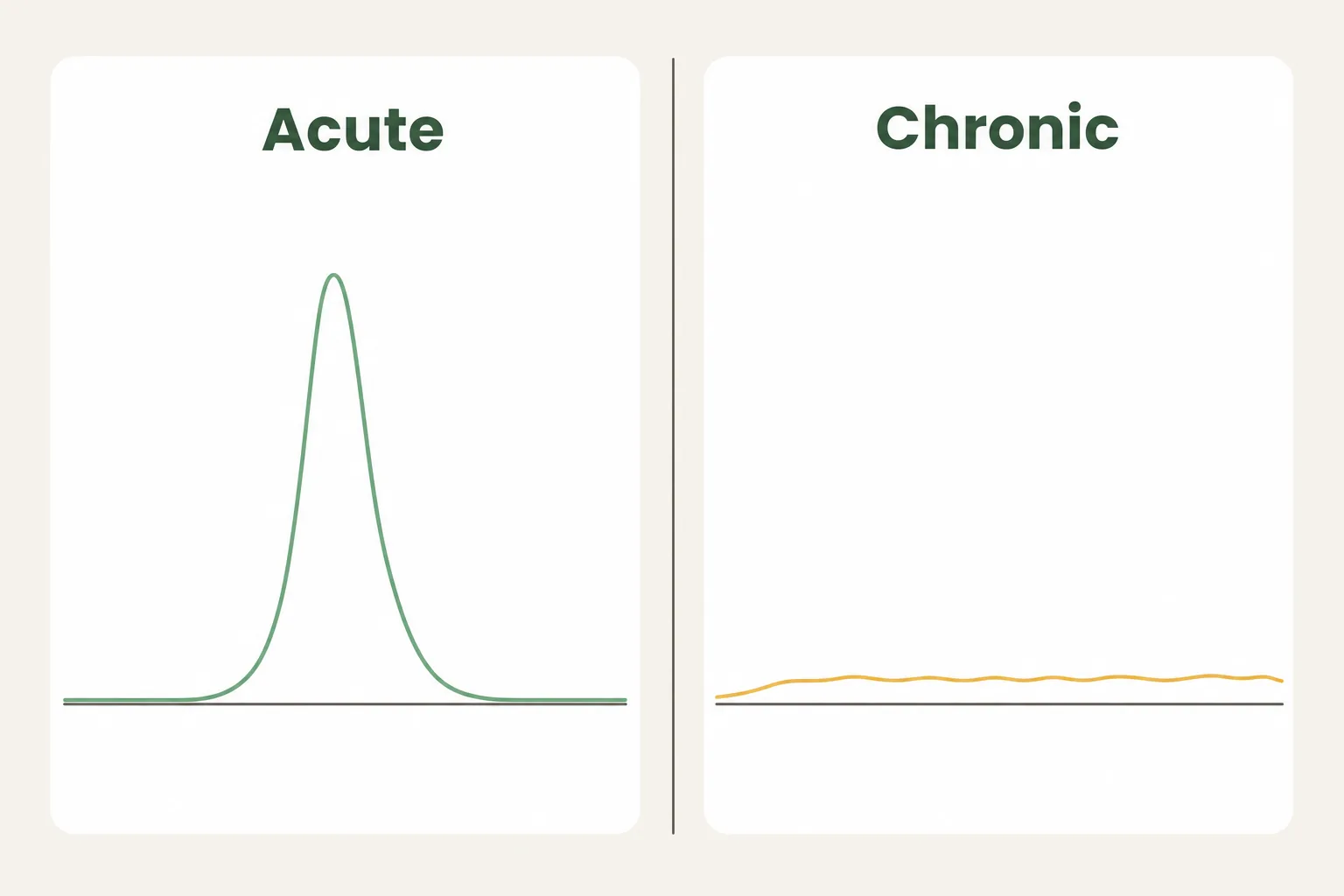
Inflammation is not the enemy. Short-term inflammation is how your body heals a cut, fights a virus, and repairs a sprained ankle. It flares, does its job, and settles.
Chronic, low-grade inflammation can be harder to detect because it may not produce a fever or a visibly swollen joint. It can be associated with fatigue, stiffness, digestive trouble, mood changes, and weight changes, but those symptoms also have many other possible causes.
Routine tests are designed to evaluate specific conditions and common risk factors. They may not answer every question about persistent, nonspecific symptoms, but a normal result is still important information.
Reference Ranges vs. “Optimal” Targets: What’s the Difference?
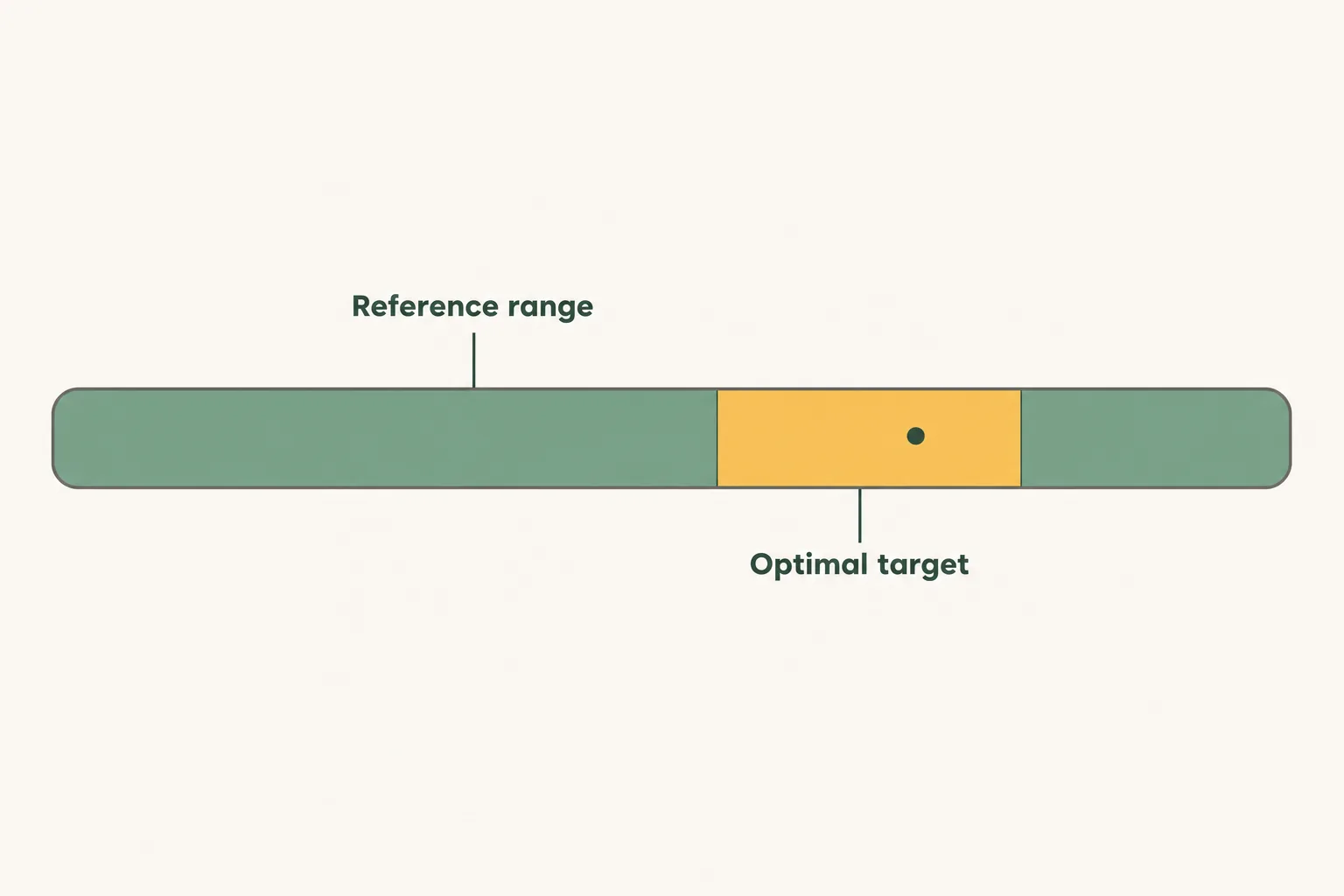
A laboratory reference interval is established using a defined comparison population and can vary by laboratory and test method. It helps a clinician identify results that may need attention, but it is not a complete definition of health.
Some functional medicine practices use narrower, practitioner-defined targets alongside symptoms and trends. These targets may help a clinician discuss patterns, but they do not diagnose disease or determine treatment on their own.
Many people look for an “optimal lab ranges” chart, but a chart cannot account for your history, medications, age, symptoms, or other results. Ranges are a starting point for interpretation, not a substitute for a licensed provider reading your whole picture.
Common Tests Used to Evaluate Inflammation
Common lab markers are often a starting point. Monarch’s functional medicine lab testing process considers the clinical question, symptoms, and available results before deciding whether additional testing is appropriate. Availability, price, and insurance coverage vary by the specific test, laboratory, health plan, and clinical indication.
These tests are interpreted together as a pattern rather than as isolated pass-or-fail numbers. A single result is a clue; the surrounding history and other results provide the context.
There is no single “best” blood test for chronic inflammation. The most useful starting point depends on why testing is being considered, what symptoms are present, and what decision the result could help make.
| Test or marker | Sample | What it may add | Important limitation |
|---|---|---|---|
| CRP or hs-CRP | Blood | A general signal of inflammation; hs-CRP detects lower concentrations and may be used in cardiovascular-risk contexts. | It does not identify the source or cause. |
| ESR | Blood | Another broad inflammation signal that can change more slowly than CRP. | Age, anemia, pregnancy, and other factors can affect the result. |
| Ferritin | Blood | Information about stored iron and an acute-phase response. | It is not a stand-alone measure of iron status or inflammation. |
| Fibrinogen | Blood | Context about clotting and inflammatory activity. | It is not needed for every person with fatigue or nonspecific symptoms. |
| Calprotectin or lactoferrin | Stool | Information about possible intestinal inflammatory activity when digestive symptoms are prominent. | A result does not establish the cause of symptoms by itself. |
| Cytokines | Usually blood; test varies | Information about selected immune-signaling proteins in a targeted clinical question. | Usefulness and interpretation vary by assay and situation. |
hs-CRP (High-Sensitivity C-Reactive Protein)
CRP is a protein the liver produces in greater amounts during an inflammatory response. The high-sensitivity version detects smaller changes than a standard CRP assay and is often discussed in cardiovascular-risk and longevity contexts. MedlinePlus explains that CRP can show how much inflammation is present without identifying where it comes from.
An elevated hs-CRP can be temporary after an infection, injury, or unusually hard training. Timing, recent illness, medications, and repeat testing may therefore matter. That is why Monarch’s inflammation evaluation looks for possible contributors instead of treating one number as a diagnosis.
ESR (Erythrocyte Sedimentation Rate)
ESR measures how quickly red blood cells settle in a tube. Faster settling can occur when inflammatory proteins are elevated. It can change more slowly than CRP, so clinicians may pair the tests when the timing and clinical question call for it. ARUP Consult notes that CRP is generally preferred over ESR for evaluating acute inflammation, while both tests have limitations that require clinical context. Age, sex, anemia, and pregnancy can influence ESR, so it should not be read in isolation.
Homocysteine
Homocysteine is an adjunctive blood result related to nutrient status, metabolism, kidney function, and cardiovascular risk. When it is elevated, a clinician may consider B12, folate, and B6 status alongside the person’s history. It is not specific for inflammation or brain fog, so it should not be used as a stand-alone explanation for those symptoms.
Ferritin
Ferritin reflects stored iron, but it can also rise during inflammation. Because of that overlap, a “normal” ferritin may not fully describe iron status in someone unwell. Clinicians may interpret ferritin with a CBC, iron studies, transferrin saturation, symptoms, and other results before concluding.
Fibrinogen
A clotting protein made by the liver that rises during an active inflammatory response. It adds a blood vessel angle that hs-CRP alone does not cover, so it tends to appear when cardiovascular or longevity questions are on the table. It is one of several markers we may include in a longevity evaluation alongside metabolic and hormone testing.
Targeted Inflammation Tests: When They May Be Considered
This is a second layer of evaluation. A clinician may consider targeted testing when first-layer markers are abnormal, symptoms suggest a specific condition, or the result could change the next step. Not everyone needs specialty testing, and cost is a real consideration.
Cytokines (IL-6, TNF-alpha)
Cytokines are immune-signaling proteins. Their usefulness varies by the specific assay and clinical question, so they are targeted tests rather than routine screening tests for everyone. A cytokine result should be interpreted with the rest of the clinical picture, not as proof that a particular inflammatory pathway is causing symptoms.
Gut Markers: Calprotectin, Lactoferrin, and Zonulin
When digestive symptoms are prominent, stool-based tests such as calprotectin and lactoferrin may provide information about intestinal inflammatory activity that blood tests cannot. They do not, by themselves, prove that the gut is the source of every systemic symptom. Zonulin testing is a separate, evolving area and should not be treated as a stand-alone diagnosis. A broader gut health evaluation may be appropriate when symptoms and history point in that direction.
Food Sensitivity Panels: What They Can and Cannot Tell You
IgG food panels are often marketed as inflammation tests, but the American Academy of Allergy, Asthma & Immunology advises against using IgG testing to diagnose food allergy or intolerance. Food allergy, celiac disease, and food intolerance are different issues; the appropriate evaluation depends on symptoms and clinical history.
Other Tests That May Be Part of a Broader Evaluation
Inflammatory markers are only one part of a workup. When symptoms point to another question, a clinician may also review:
- CBC and metabolic panels to look for context such as anemia, glucose changes, or kidney and liver concerns.
- Autoimmune markers such as ANA, rheumatoid factor, anti-CCP, or thyroid antibodies when symptoms and history suggest an autoimmune process. A positive antibody result does not, by itself, establish a diagnosis.
- Thyroid, hormone, and nutrient testing when those systems could be contributing to fatigue, weight change, sleep problems, or other overlapping symptoms. These are not direct inflammation markers.
- Genetic or specialty gut testing when the result could clarify risk, digestion, nutrient status, or a possible contributor to symptoms.
This broader view keeps the workup from becoming a one-size-fits-all “inflammation panel.” The exact list should be selected by a licensed clinician based on the person and the decision the results may inform.
What Can Contribute to an Elevated Inflammatory Marker?
An elevated marker is a signal, not a diagnosis. The next step is to assess possible causes using symptoms, history, examination, and targeted testing. Depending on the person, a clinician may consider:
- Gut imbalance, dysbiosis, or barrier problems
- Blood sugar swings and insulin resistance
- Visceral fat around the organs, which is metabolically active tissue
- Hidden or lingering infection, including dental infection
- Chronic stress and disrupted cortisol patterns
- Poor or fragmented sleep
- Autoimmune activity
- Environmental and chemical exposures
Hormone, thyroid, and metabolic changes can overlap with inflammation-related symptoms. Monarch’s hormone health evaluation, thyroid evaluation, and metabolic health evaluation may be relevant when those concerns are part of the picture. It is also why joint pain that appears without an injury deserves an evaluation that looks beyond the joint itself.
Five Symptoms That May Prompt an Inflammation Evaluation
1. Fatigue that a full night of sleep does not resolve 2. Joint stiffness or aching with no injury behind it 3. Digestive symptoms: bloating, irregularity, new food reactions 4. Brain fog, low mood, or irritability that feels unlike you 5. Stubborn weight gain, particularly around the midsection
These symptoms have many possible causes. Persistent, worsening, or concerning symptoms should be discussed with a qualified clinician; this list cannot diagnose inflammation.
When Inflammation Testing May Not Be the First Step
Inflammation tests are not routine screening tests for every adult. They are more useful when a clinician has a specific reason to order them or when monitoring a known condition. Harvard Health explains that CRP and ESR can support an evaluation but do not identify a cause by themselves.
Seek prompt medical care for blood in the stool, black stools, unexplained weight loss, persistent vomiting, severe abdominal pain, a high or persistent fever, or rapidly worsening symptoms rather than relying on a self-ordered functional panel.
How Inflammatory Markers Are Interpreted
The right testing sequence depends on the clinical question. A clinician may start with a full history and symptom timeline, review existing results, and then consider first-layer bloodwork. Targeted specialty testing is most useful when it could change the plan; ordering everything at once can be expensive and rarely provides automatic clarity.
Results are then considered alongside hormones, thyroid function, metabolic health, sleep, stress, medications, and other relevant factors rather than in isolation. Julie McDonald, PA-C, brings more than two decades of experience across family medicine, emergency medicine, and functional medicine; learn more about Julie and the Monarch team.
Monarch Functional Medicine serves Michigan patients, with in-person care in Marquette and virtual care across the state.
A single elevated result is a snapshot; retesting over time, when clinically appropriate, can turn a number into a trend.
Functional Medicine Inflammatory Markers FAQs
Frequently asked questions
What blood tests are used to check for inflammation?
Can you have inflammation with normal blood tests?
What is the difference between CRP and hs-CRP?
Do functional medicine providers order different tests than primary care clinicians?
Do inflammatory markers diagnose autoimmune disease?
Do I need to fast before inflammation testing?
How much does functional medicine testing cost?
What to Do If Symptoms Persist Despite Normal Results
If symptoms persist despite reassuring results, reviewing the full history, existing labs, and whether targeted evaluation is appropriate may be the next step.
The 12-Week Reset is Monarch’s foundational starting point for reviewing symptoms and labs in context and building a personalized plan when clinically appropriate. If you are a Michigan patient and want to discuss whether it fits, book a free 15-minute strategy session.
This article is for general educational purposes only. Inflammatory markers cannot diagnose a condition on their own. Talk with your physician or another qualified clinician about symptoms, testing, and results.