
By Julie McDonald, PA-C, Monarch Functional Medicine
You cut the carbs, the scale started moving, and maybe your afternoon energy finally evened out. Then your lab panel came back with a higher LDL or total cholesterol, and now you’re not sure whether keto is helping you or quietly working against you.
LDL can rise on a ketogenic diet, but the size and direction of the change vary. Saturated-fat intake, weight changes, and individual biology may all play a role. A higher result deserves a review of your full cardiovascular risk, not reassurance from one other number.
Why Your Cholesterol Went Up on Keto
There is no single explanation for every LDL increase on keto. A sharp change in carbohydrate and fat intake may affect lipid levels, and the amount and type of fat in the diet can matter. Weight changes and individual biology may also contribute. Researchers are still studying why some people, including some lean adults, have larger increases.
LDL can rise on keto, but the size and direction of the change vary. A higher result should be interpreted in the context of your overall health and cardiovascular risk.
Mine went up after going on keto for 4 months. LDL went up from 115 to 154 then back to 115 after I stopped. Triglycerides dropped and …Read on Reddit ↗
Can Lean, Active People Have Larger LDL Increases?
Some reports describe large LDL increases in lean, active adults following a ketogenic diet. The term “lean-mass hyper-responder” is used to describe this pattern; it is not a formal diagnosis and does not establish that high LDL is harmless. A 2026 review describes this as an emerging clinical question and notes that available data do not establish long-term cardiovascular safety. Read the 2026 review of ketogenic diets and LDL in normal-weight adults.
A case series can describe a pattern, but it cannot show how common the pattern is or determine long-term risk. Being lean or physically active does not remove the need to discuss a substantially elevated LDL with a clinician.
I did keto short term two years ago. My total cholesterol went up to 345, my LDL was at 265. I stopped keto. Cut out cheese for 6 months …Read on Reddit ↗
The Saturated Fat Factor
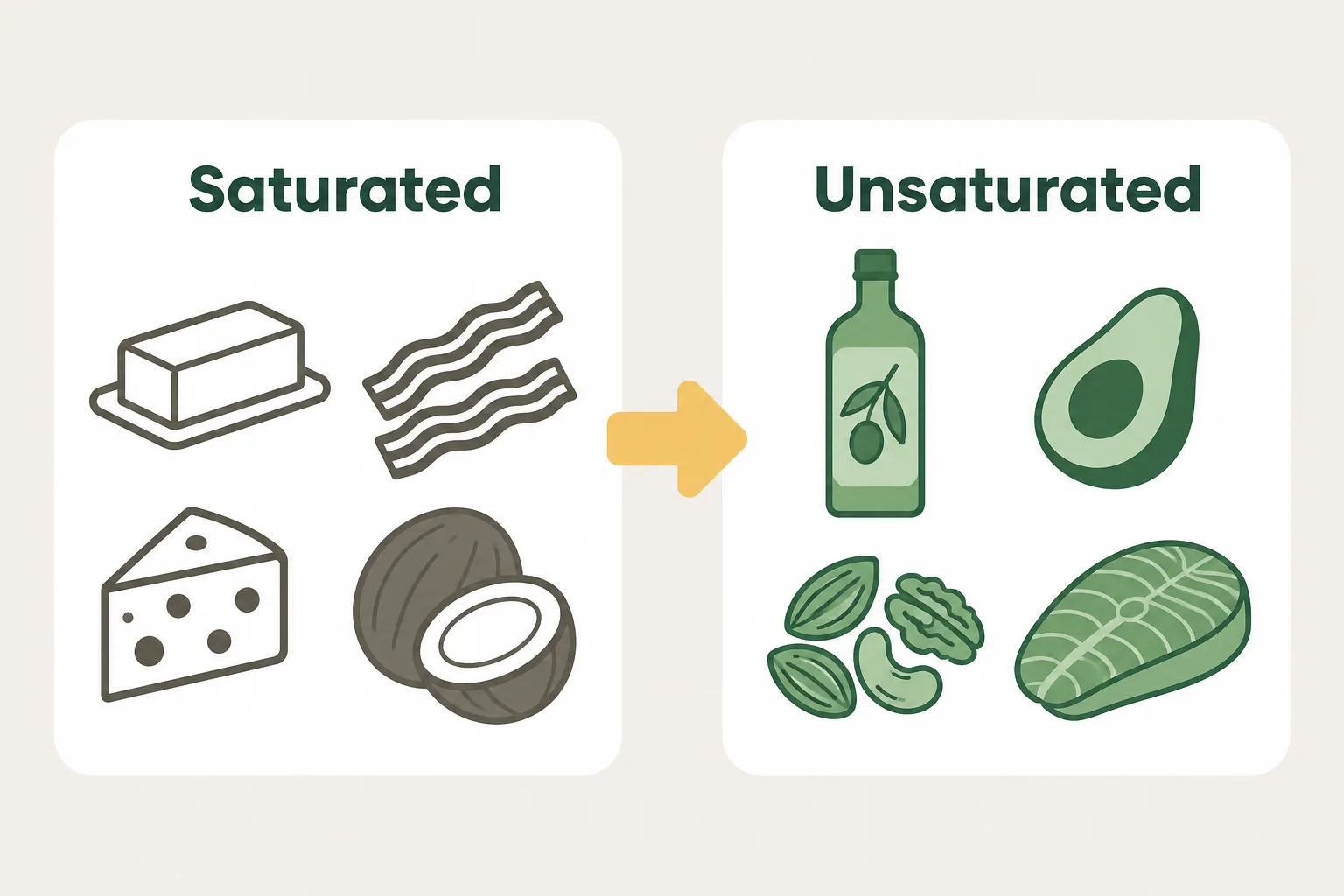
Many people build keto around butter, bacon, red meat, cheese, and coconut oil. That matters. Replacing some foods high in saturated fat with unsaturated-fat sources may help lower LDL. The 2026 ACC/AHA dyslipidemia guideline supports eating patterns that limit saturated fat and increase unsaturated fat; individual responses still vary. Review the 2026 ACC/AHA dyslipidemia guideline.
Keto can be built around different foods and fat sources, so what fills your plate can affect your results.
LDL Is Only Part of the Story: Why ApoB Matters
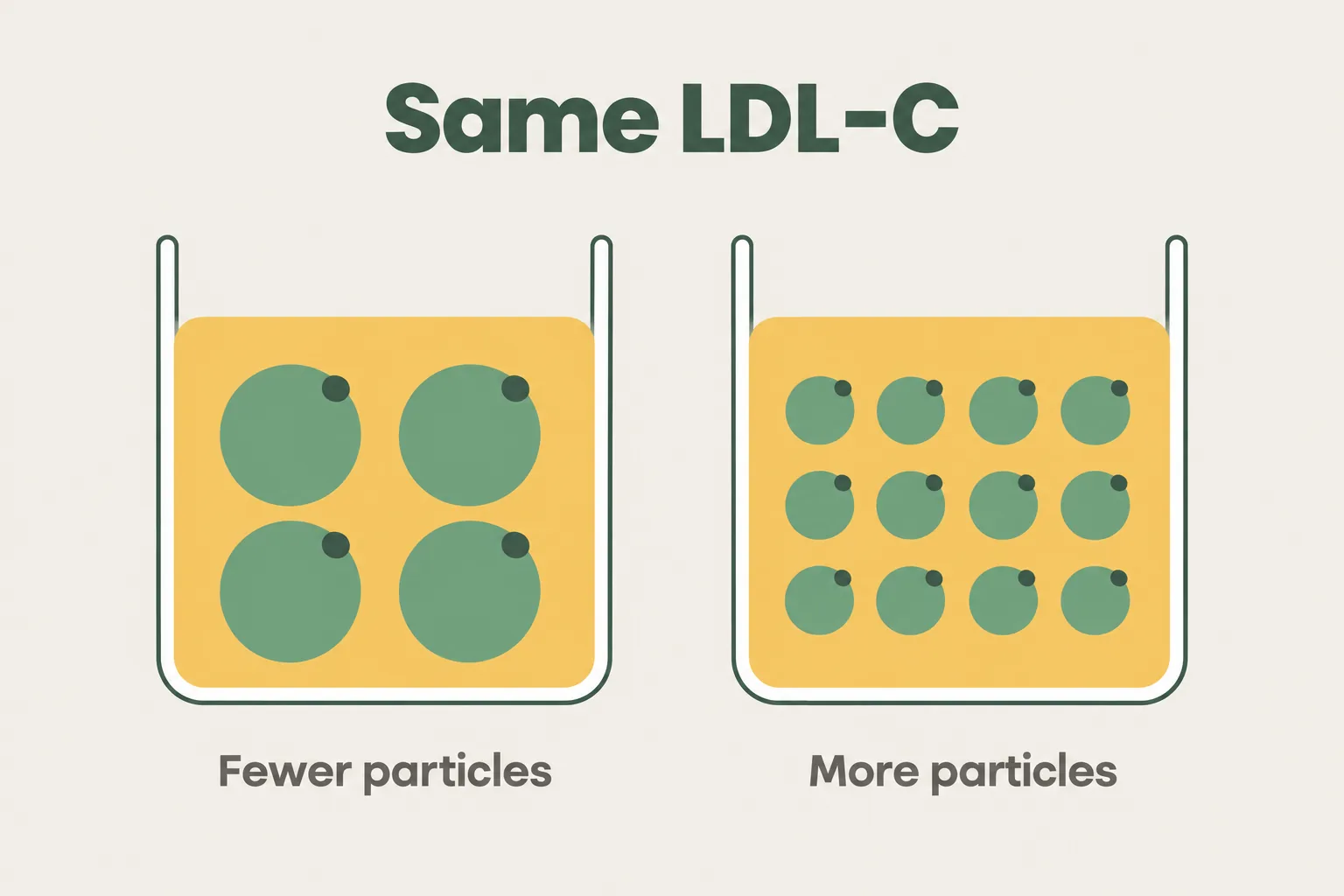
A standard panel measures how much cholesterol is carried inside LDL particles. It doesn’t count the particles themselves. That’s where apoB comes in.
ApoB is a protein found on atherogenic particles, including LDL. Because each of these particles carries an apoB molecule, an apoB blood test estimates their number. It can add useful risk information, especially when apoB and LDL-C do not tell the same story. The National Lipid Association describes apoB as a complement to a standard lipid panel, not a replacement for it.
ApoB may be useful in some situations, but not every person needs the same tests. Ask your clinician whether apoB, non-HDL cholesterol, or another marker would help interpret your results.
You may have seen the “keto cholesterol myth” debate online. Online debate cannot determine your personal risk. There is no separate cholesterol standard for keto; results should be considered alongside your health history, other risk factors, and the length of time your levels have been elevated.
How to Read LDL Alongside Triglycerides and HDL
Some people following a low-carbohydrate diet see lower triglycerides or higher HDL. Those changes may be useful parts of the lipid picture, but they do not establish that a high LDL or apoB level is safe. The National Lipid Association’s review of low- and very-low-carbohydrate diets describes mixed LDL responses alongside changes in other lipid markers.
The goal is to review the full panel and your overall cardiovascular risk with a qualified clinician rather than focusing on one favorable or unfavorable result.
Does a Higher LDL on Keto Actually Matter?
It depends on you. Important context includes:
- Your LDL-C and non-HDL cholesterol levels, and how they changed from your earlier results
- Family history of early heart disease
- Blood pressure and blood sugar
- Smoking history
- A personal history of cardiovascular disease, diabetes, or kidney disease
- Other risk markers your clinician considers appropriate, such as apoB or lipoprotein(a)
Very high LDL results deserve timely clinical review, especially when there is a family history of early heart disease or known cardiovascular disease. The 2026 ACC/AHA guideline includes LDL-C goals and risk-based treatment guidance; a favorable triglyceride or HDL result does not replace that assessment.
Other Factors That Can Contribute to Higher LDL
Sometimes a cholesterol rise may have more than one contributor. This is where your diet, health history, symptoms, and lab results need to be considered together.
- Thyroid: An underactive thyroid is a recognized cause of higher LDL. It can also cause fatigue and other symptoms, so discuss thyroid testing with your clinician if your history or symptoms warrant it.
- Life stage and hormones: Cholesterol levels can change with age and around menopause. If you started keto during perimenopause or menopause, both changes may be relevant to your discussion with a provider.
- Dietary fiber: Some strict keto patterns limit fiber-rich foods. Discuss ways to include suitable sources of fiber, such as chia or flax, as part of a balanced plan.
We cover broader cholesterol drivers on our high cholesterol root-cause page. Your diet may be one part of the picture, but it is not the only factor a clinician may consider.
What to Do If Your Cholesterol Went Up on Keto
Don’t dismiss the result or make a sudden change based on one number. Review it with your provider and consider these discussion points:
- Review your results. Compare the current lipid panel with your previous results. Ask whether apoB, non-HDL cholesterol, or lipoprotein(a) would add useful information in your case.
- Review your fat sources. Discuss replacing some butter, bacon, fatty or processed meats, and coconut oil with foods higher in unsaturated fats, such as olive oil, avocado, nuts, seeds, and fish.
- Consider fiber. Ask how to include more fiber-rich, lower-carbohydrate foods that fit your needs and preferences.
- Reconsider how strict your carbohydrate limit needs to be. A less restrictive low-carbohydrate pattern may be an option for some people, but your clinician can help weigh the trade-offs and monitor your response.
- Discuss other evaluation only if it fits your history. Your provider can decide whether thyroid testing or other assessment is appropriate based on your symptoms and previous results.
- Agree on a follow-up plan. Ask when to repeat testing and whether any other risk-management steps are appropriate. Do not stop prescribed medication without discussing it with the prescribing clinician.
If weight was your reason for starting keto, you may have options beyond an all-or-nothing diet. Monarch’s approach to weight loss when the scale won’t budge looks at hormones, metabolism, and lifestyle together.
Is Keto a Good Fit If You Already Have High Cholesterol?
For some people, keto improves blood sugar, weight, and triglycerides. For others, it pushes LDL and apoB higher. If you also have high blood pressure, that’s one more reason to make diet changes with monitoring rather than guesswork.
So what diet is good for high cholesterol? The one that fits your labs, hormones, metabolism, and daily life, and that you recheck over time. Metabolic health is a whole system, not a single lab value.
Frequently asked questions
Can a keto diet raise LDL even if triglycerides improve?
Is high HDL enough to offset high LDL on keto?
How soon should I recheck my cholesterol after changing my keto diet?
Should I stop keto if my LDL went up?
Is an LDL of 190 mg/dL or higher on keto something to address?
This article is for educational purposes and does not replace individualized medical advice. Talk with your clinician before changing your diet or treatment plan.